The Amazon region – a laboratory for the future
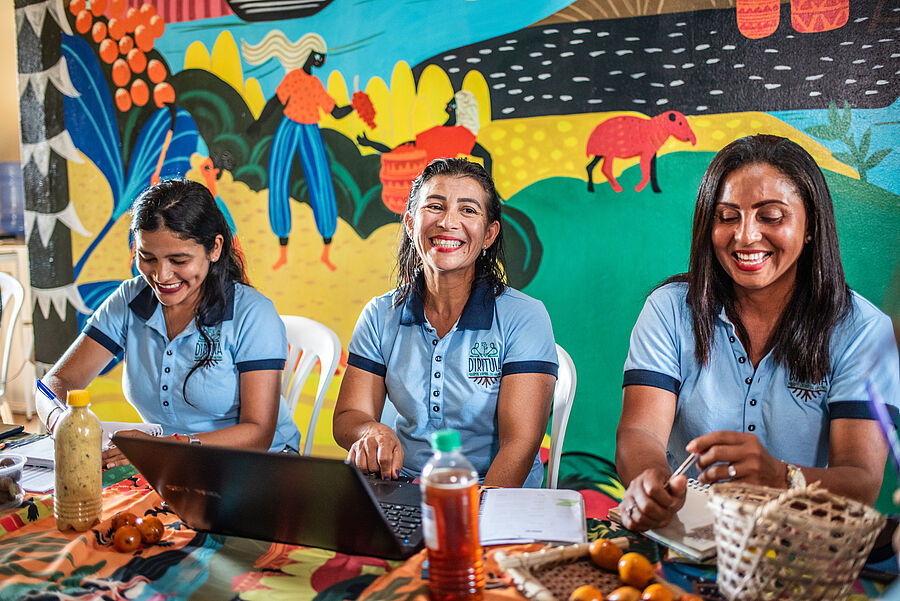
The air is heavy with the scent of babassu palms; the humming of insects pervades the rainforest. In Brazil’s Amazon region, far away from the big cities, the German company Symrise has established a site that is intended to be more than just a production hub. This, the company says, is where the future of sustainable innovation begins. Symrise is collaborating with the Brazilian cosmetics manufacturer Natura and the Deutsche Gesellschaft für Internationale Zusammenarbeit (GIZ) GmbH under the develoPPP programme, working side-by-side with local cooperatives to protect biodiversity and create new added value. We talked to Symrise’s Josy Hatada (Vice President LATAM Cosmetic Ingredients) and Natura’s Mauro Costa (Senior Supply Manager) and Carolina Domenico (Biodiversity Manager) about opportunities, hurdles and the particular dynamics of Latin America.
AWE: Why did Symrise venture into Latin America?
Josy (Symrise): Symrise moved into Brazil as it presented a unique opportunity to drive innovation and sustainable growth. Latin America is one of the most dynamic markets in the world – especially in the personal care, fragrances and food sectors. Brazil provides a strategic gateway to the entire Latin American market. Proximity to consumers is vital for brands in the beauty and cosmetics sector. The strong demand for effective and natural products inspires tailor-made solutions that are popular with local people. At the same time, the region offers a growing pool of skilled labour that supports agile approaches and close cooperation. This is making Latin America an increasingly attractive location for forward-looking companies.
A treasure trove of diversity
What makes Brazil so attractive?
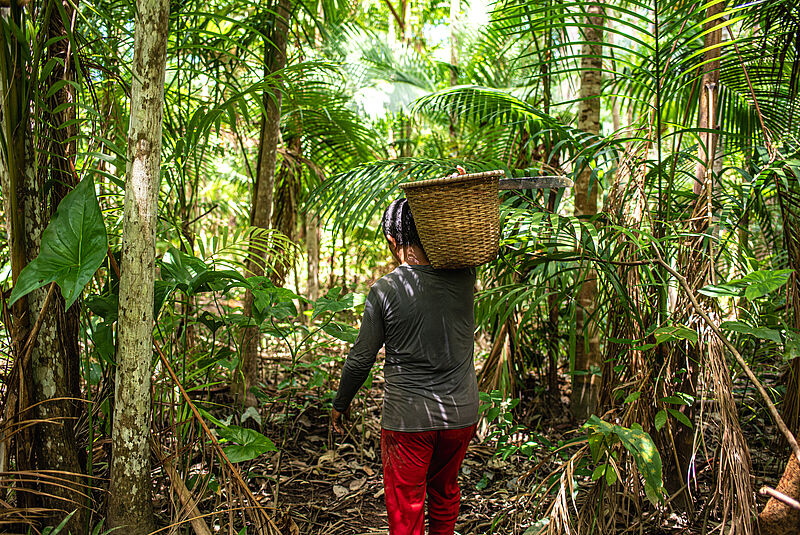
Symrise: The tremendous biodiversity of Latin America is an invaluable asset – especially for a company like Symrise that uses natural ingredients and builds on sustainable innovation. Our location in Benevides, at the heart of Brazil’s Amazonia, is crucial to the research and development of natural raw materials. The proximity to the growing sites not only reduces our environmental and logistical impacts, it also encourages local value creation through innovation – one of the keys to the long-term preservation of biodiversity. Moreover, our presence on the ground allows us to cooperate closely with suppliers, customers and institutions. We work together to develop sustainable initiatives and innovative products – strengthening the local economy at the same time.
And the drawbacks?
Symrise: As a German company with a global presence, we place the utmost value on strong regulatory standards. This makes it easier for us to navigate Brazil's strict regulations, particularly in the cosmetics and food sectors. Likewise, access to Brazil's biodiversity is subject to comprehensive laws that can provide a model for other countries. This requires careful negotiations, but it also ensures equitable participation for local communities and stakeholders. We’ve found Latin America to have an extremely open and cooperative culture – a mindset that enriches our own corporate culture and inspires our product development.
Responsibility is everything
How do you find the right partners in Latin America?
Symrise: In Latin America, as in any other place, the choice of partners follows clear strategic criteria. For us, the decisive values include sustainability, decent working conditions and compliance with strict legal requirements.
What have you learnt so far?
Symrise: Since 2017, in partnership with GIZ and Natura, we’ve been working closely with communities that supply raw materials in the Amazon region. We’ve been able to improve resource management, provide training on best practices to cooperatives and reduce waste. This in turn has increased yields and quality. At the same time, it ensures that we have a stable and traceable supply chain. The close cooperation with Natura has allowed us to share in open exchanges and joint action – bringing tangible and sustainable improvements along the entire value chain.
What advice would you give to other companies?
Symrise: In order to really understand a region and to operate successfully, it’s vital to cooperate with local organisations, be they supplier collectives, pre-processing companies or service providers. Transparent communication builds trust and reciprocal understanding. Equally important is an in-depth understanding of local consumers – which means much more than merely adapting products. Anyone who invests in Latin America should do so with the aim of contributing to a sustainable and inclusive future. That calls for patience, a willingness to learn and long-term commitment, but it offers the chance to have a lasting, positive impact.
Teamwork on a deeper level
What did Natura think about the cooperation?
Mauro (Natura): The projects with GIZ and Symrise are clearly structured. They have defined goals and measurable indicators, so their implementation is very effective. The collaboration between institutions that offer different areas of competence means that the cooperatives have benefited from cross-cutting results in different areas.
What have the cooperatives gained?
Mauro: Natura's partner cooperatives and associations are reaping considerable benefits. These include improved financial and organisational management, the development of social technologies for regional products (e.g. devices for cracking open nuts and sorting tables), greater professionalism thanks to technical training, exchanges of experience between cooperatives, and digital integration.
And the biggest hurdle?
Carolina (Natura): Working with different communities in Amazonia presents logistical hurdles – in terms of both time and finance. To guarantee quality despite these challenges, we introduced hybrid training models, established partnerships with local institutions, organised regular meetings with regional representatives and adapted solutions to meet the particular needs of each cooperative.
What advice would you give to other companies?
Mauro (Natura): German development cooperation pursues objectives that correspond closely to Natura's strategies, such as the promotion of sustainable development. The combination of state and private-sector involvement has been particularly successful, for example in protecting forests, reducing greenhouse gases, upholding human rights and establishing sustainable value chains. It is only through collective action with governments and civil society that we can overcome the challenges and create a greener, more prosperous economy.
Published on