Skills development worldwide: empowering tomorrow’s skilled workers
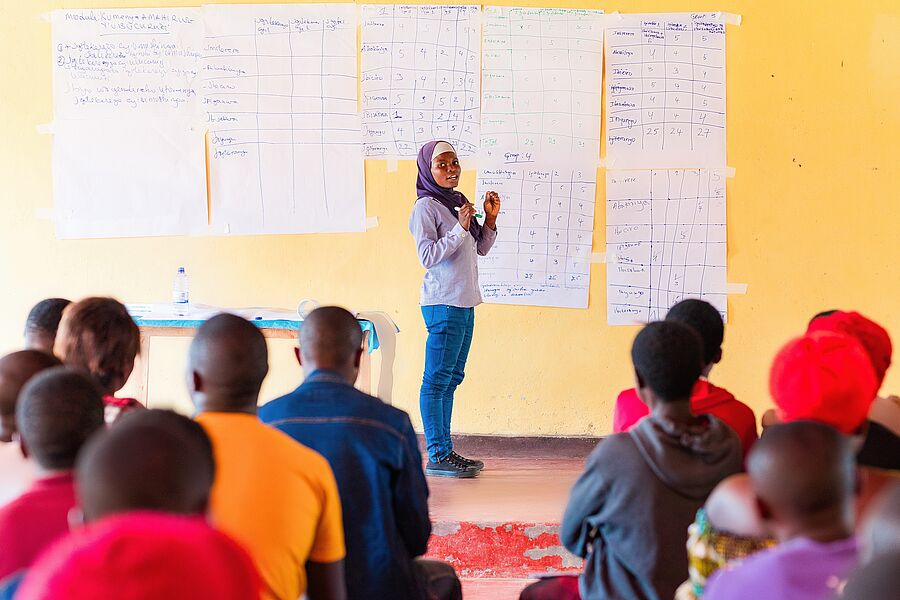
The development of skilled workers begins long before they enter the labour market – it starts with a good education. As part of the Partners in Transformation programme, the German Sparkassenstiftung for International Cooperation (DSIK) focuses precisely on this aspect: Through financial and business literacy programmes, it strengthens people’s skills worldwide and lays the foundations for sustainable employment prospects.
DSIK takes a holistic approach: it combines theoretical knowledge with practical application and draws on proven models, in particular the dual vocational training system in Germany.
The dual vocational training system as a model for success
In many project countries, DSIK provides support for establishing dual vocational training structures based on the German model, which combines practical training in companies with in-depth lessons at vocational schools or academies.
The aim is to enable graduates to obtain a recognised, high-quality qualification and to open up specific prospects for them in the labour market. To this end, DSIK works closely with ministries, training centres and local partners in the financial sector to establish sustainable structures and recognised qualifications.
Practical learning: training and business games
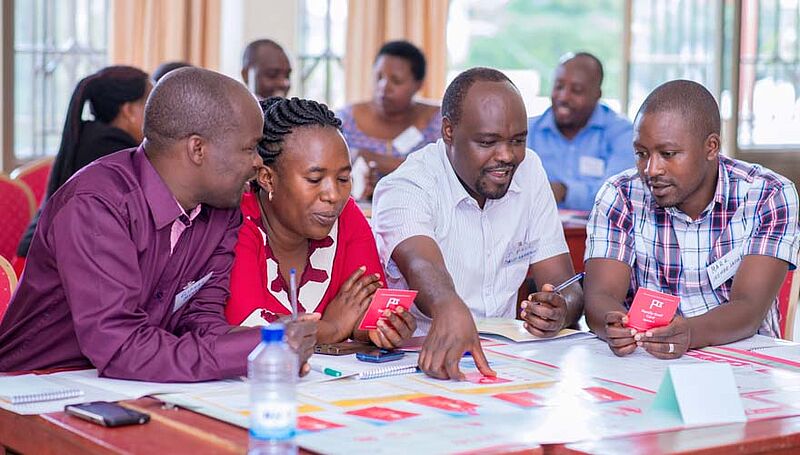
To complement its structural educational work, DSIK relies on practical training formats. So-called business games enable participants to actively experience economic relationships and make their own decisions in realistic simulations.
One example is the Micro Business Game, in which participants run their own small business. In the game, they acquire basic business management skills, learn to think like entrepreneurs and develop a better understanding of markets, competition and financial decisions.
Contribution to skilled workforce development
Through a combination of education, training and practical learning formats, DSIK makes a significant contribution in developing skilled workers worldwide. People not only acquire theoretical knowledge but also develop the ability to understand economic relationships and act independently. This fosters skills that are in demand both in local labour markets and, in the long term, in Germany.
Published on