Solar energy for a sustainable future in Brazil
As part of the Partners in Transformation programme, the German Sparkassenstiftung for International Cooperation (DSIK) recently launched a partnership project in Brazil, a country with a dynamically growing economy that is also facing major social and economic challenges.
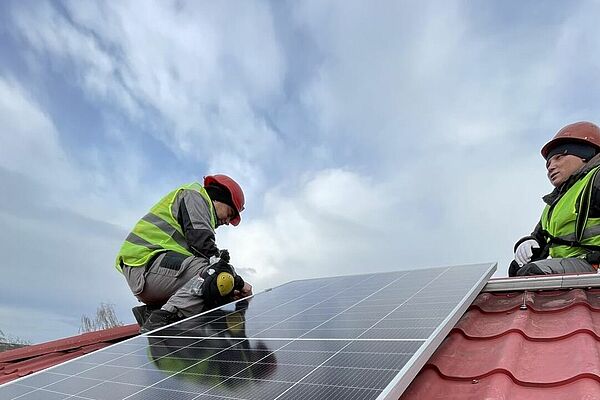
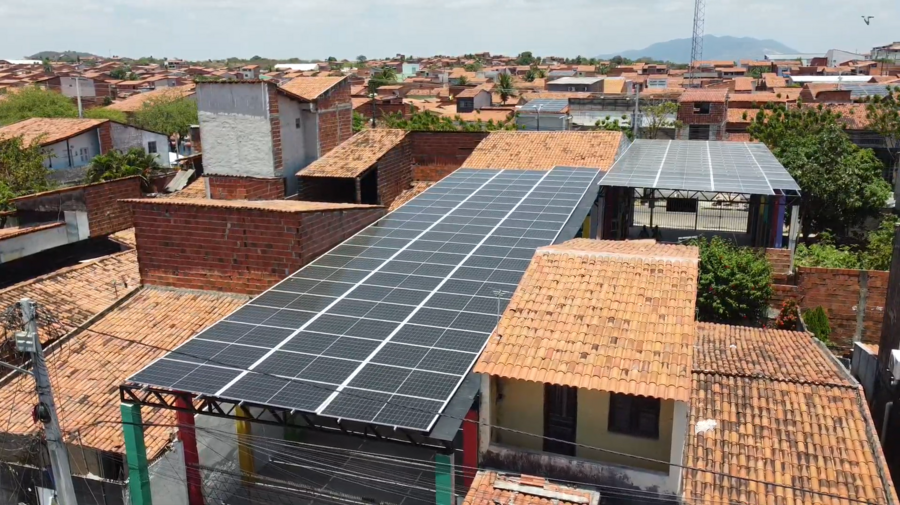
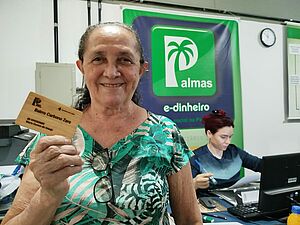
Together with Banco Palmas, DSIK supports the ‘Palma Solar’ programme, which promotes local and community-based generation of solar energy. The objective is to provide clean energy at affordable prices for families and small businesses and in this way make a tangible contribution to a socially and ecologically fair energy transition.
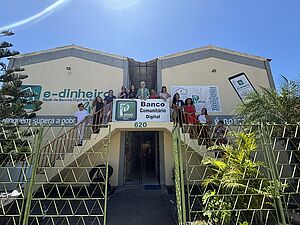
Banco Palmas was founded in 1998 by Joaquim Melo in a suburb of the northern Brazilian city of Fortaleza, and is the first Brazilian banco comunitário (community bank) to be deeply rooted in the local community. Its approach aims to strengthen local economic cycles, promote small businesses and involve low-income population groups in economic processes responsibly. This is a key component for inclusive growth in a rapidly developing country like Brazil.
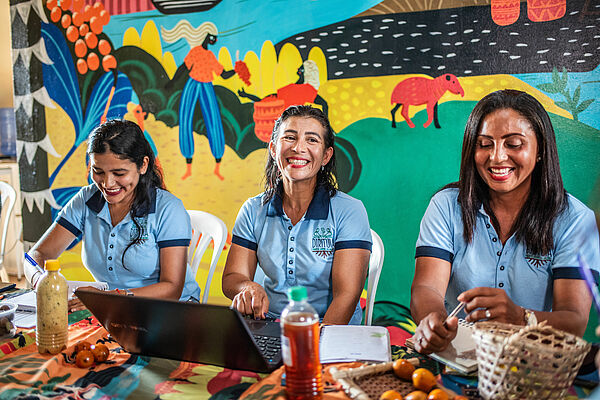
The approach goes far beyond traditional financial services: Banco Palmas supports sustainable food cultivation, offers training in skilled crafts and the arts, and by doing so promotes sustainable sources of income and social cohesion in districts. Today, Banco Palmas is part of a network of over 100 bancos comunitários that serve almost 400,000 people throughout Brazil. The focus is on marginalised population groups, primarily indigenous communities, smallholder farmers and residents of peri-urban areas.
The partnership with DSIK is part of the regional project on Sustainable Finance in Latin America. Thanks to this close cooperation, Banco Palmas is also being strengthened institutionally, so that it can further develop reliable and sustainable financial models and disseminate them nationwide. In this way, the partnership combines climate action with regional economic growth and makes an important contribution to reducing social inequality.
Published on