Secure supply chains: how Pakistan is becoming a reliable partner of the textile...
Global supply chains are under pressure: geopolitical crises, climate risks and increasing regulatory requirements in Europe highlight the importance of secure, transparent and diversified procurement structures. German companies are increasingly focusing on the Global South – not only as a production location, but also as an active partner for sustainable value creation. A chamber and association partnership (KVP) between German Importers (VFI) and leading textile associations in Pakistan, funded by BMZ through sequa, shows how this can be realised in practice.
Why Pakistan plays a key role in global supply chains
Pakistan is one of the world’s most important countries for producing textiles and clothing. The textile sector accounts for around 60 per cent of exports and employs almost 40 per cent of the workforce. For European importers, this makes Pakistan a key player in diversifying supply chains.
At the same time, many companies face major challenges: rising energy prices, scarcity of resources, social risks in production and new European requirements such as the German Supply Chain Act (LkSG) and the EU’s future Corporate Sustainability Due Diligence Directive (CSDDD). Without targeted support, there is a risk of market losses – with consequences for employment and economic stability.
KVP to leverage resilient supply chains
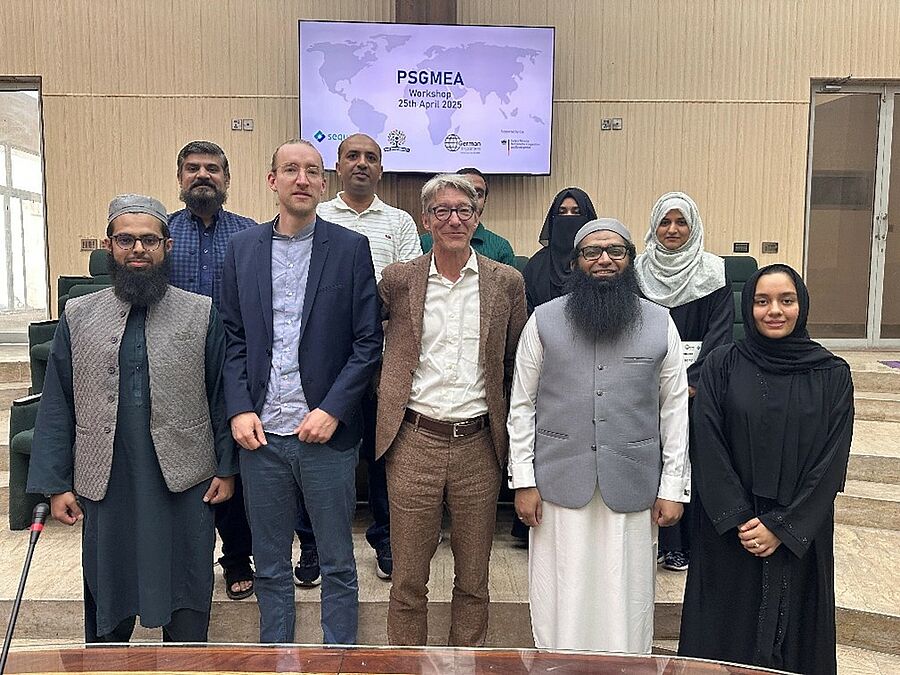
This is where the chamber and association partnership between VFI and Pakistani textile associations comes in. The aim is to strengthen associations such as the Pakistan Readymade Garments Manufacturers and Exporters Association (PRGMEA), the Pakistan Sports Goods Manufacturers & Exporters Association (PSGMEA) and the Towel Manufacturers Association (TMA) so that they can provide their member companies with practical support in implementing due diligence obligations.
The focus is on a structure-building approach: the associations act as multipliers, develop their own advisory services, train specialist staff and support companies in areas such as risk analyses, sustainability reporting, management systems, improving working conditions – especially for women – and resource-efficient production.
Initial results: transparency, dialogue and new market opportunities
Tangible progress can already be seen in the early phase of the project. Over 51 companies have received support in collecting data on occupational safety, grievance mechanisms and resource consumption. This provided the basis for the first sustainability reports, which enable substantiated communication with European buyers.
There is a particular focus on the topic of water: analyses and workshops have revealed the need for action as well as potential savings. Initial water consumption reduction measures are already being implemented. At the same time, the project is strengthening direct dialogue between Pakistani producers and German importers, for example at international trade fairs.
Summary: supply chain security needs strong partners in the Global South
This example from Pakistan shows that secure and diversified supply chains are not created by regulation alone. The development of local skills and institutions is crucial. Chamber and association partnerships make a key contribution in this area – and make the Global South an active co-creator of resilient, fair and sustainable supply chains.