Facilitating innovations: a sequa project is promoting companies in Nigeria
Many SMEs in Nigeria have good ideas – but lack access to financing. A KVP project of IHK Giessen-Friedberg and its Nigerian partner chambers shows how targeted capacity building and new cooperation arrangements can create pathways to financing.
What do chamber and association partnerships (KVPs) do?
In KVP projects, German chambers of commerce and associations cooperate with partner organisations around the world. The objective is to strengthen local business organisations –as service providers for companies and as representatives of specific interests. An important aspect of this is to improve financing opportunities for small and medium-sized enterprises.
In Nigeria, many micro and small enterprises lack access to formal financing, particularly women and young people. Reasons for this include limited financial literacy, weak business structures and insufficient collateral. IHK Giessen-Friedberg and its partner chambers – the Nigerian Association of Chambers of Commerce, Industry, Mines, and Agriculture (NACCIMA) and selected member chambers – have therefore responded with targeted measures to strengthen financial skills and bankable structures
How did IHK Giessen-Friedberg’s project prepare SMEs for financing?
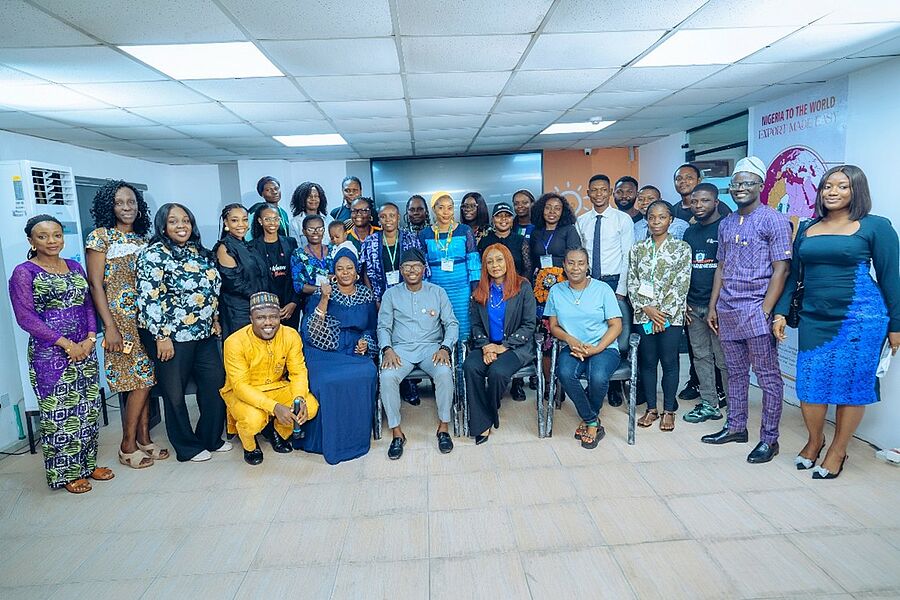
In the Access to Finance Training Series webinars, together with the Women in Business (WIB) network, more than 160 women learned how to conduct financial negotiations, organise their bookkeeping and improve their credit profiles.
Building on this, the Her Finance Accelerator programme got underway with 25 women entrepreneurs in cooperation with the Women Chamber of Commerce, Industry, Mines and Agriculture (WCCIMA). It comprised:
- Workshops and coaching on investment readiness
- One-to-one mentoring
- A pitching event with banks and investors.
Results: Two of the entrepreneurs obtained external financing and others are in negotiations with finance institutions.
Cooperatives as a source of financing – can it work?
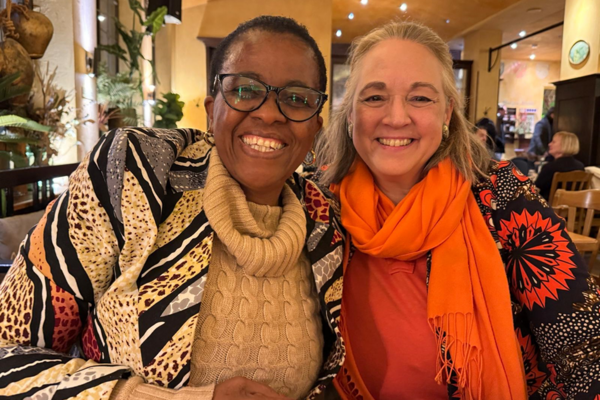
Yes, amazingly well. A group of young women entrepreneurs travelled to Germany to learn about the cooperative model. When they returned to Nigeria, they founded seven cooperatives (NACCIMA YOUTH ENTREPRENEURS), raised over NGN 13 million and now offer basic internal financing for their members – at favourable interest rates. So far twelve members have accessed funds for investments, production expansion or liquidity. The cooperatives are linked to local chambers of commerce and are supported by the KVP project with their structural development.
General conclusion: Financing begins with empowerment
Access to capital is not a purely financial matter, it is also a question of knowledge, trust and structures. IHK Giessen-Friedberg's chamber and association partnership proves that this is the key to success. Nigeria’s experience shows that, if chambers of commerce play their part actively, they can open doors that have so far been locked.