
Africa. The money is there – if you know where to look.
In the light of ongoing conflicts and crises, as well as vulnerabilities in supply chains, an increasing number of German SMEs are seeking to diversify their markets – and see opportunities in places like Africa. One of the biggest hurdles is financing, however, with suitable instruments often going unheeded. In this interview, Chiara-Felicitas Otto, founder and managing director of a consultancy specialising in export and project financing with a focus on Africa, explains how companies can avoid common pitfalls and structure financing arrangements in a sustainable way.
Ms Otto, you advise companies on export and project financing in African countries. What does it take to finance projects successfully?
Chiara-Felicitas Otto: Put simply, it requires knowledge. Above all, you need to be familiar with the German Government’s range of instruments and products offered by banks and funding organisations. Then these need to be effectively combined and applied. Without this, larger projects simply wouldn’t get off the ground. Often, neither the companies themselves nor consultants are aware of the full range of financing and funding options available. They focus on specific instruments, rather than combining public and private funding for maximum benefit.
Can you give an example where a combined financing structure of this kind has proved pivotal?
Otto: We’ve structured several financing solutions for the export of commercial vehicle fleets to various African countries. These orders involved between 20 and 50 vehicles, including specialised trailers to transport petroleum products, water tankers for remote regions and mobile banks for financial institutions. Even in challenging countries, there are often companies with very sound credit ratings – particularly in the logistics sector. In these cases, the challenge was more to do with the level of interest rates. Interest rates on local loans can top 20 per cent a year – which means that investments on this scale just aren’t economically viable. By accessing European credit markets and using appropriate hedging instruments, we were able to secure significantly lower interest rates and longer maturities. These projects would not have happened without this combination.
Which financing instruments are particularly suitable for German SMEs?
Otto: In the export sector, export credit insurance – particularly Hermes cover – is the norm. Export credit insurance hedges against production and payment risks – even while goods are being manufactured – in case an order is cancelled for economic or political reasons. For banks, security like this is often a precondition for granting loans on favourable terms. If you want to invest locally, you first have to understand the tax and legal framework in the target country. The investment guarantees offered by the German Government, like the cover provided through Euler Hermes, offer appropriate protection. Depending on the nature of the project, programmes such as BMZ’s develoPPP or DEG’s ImpactConnect may also be suitable. Whether state or private insurance is more appropriate depends a lot on the country, the scale and the project design – and this must always be assessed on a case-by-case basis.
So how can a suitable funding scheme be identified?
Otto: It depends on several factors – the sector, the target country, the scale of the project, the partner structure and, of course, the implications for development policy. It is important to identify the funding priorities of each programme very precisely. An applicant who can credibly demonstrate how many additional skilled jobs will be created, how local suppliers will be involved, or what benefits will be achieved in terms of climate protection or through the inclusion of disadvantaged groups will have a clear advantage in many programmes, for example. Programmes in the field of education and training are of particular interest. Where companies are obliged to train local skilled workers even beyond their own requirements, these measures can be cofinanced through special BMZ funding programmes that are implemented, for example, by GIZ. However, even a company with a viable business model can end up falling between the cracks of available support schemes or might not be a formal match for the project design. Although the range of funding schemes is regularly reviewed and updated, it is impossible to completely eliminate the gaps.
How do African markets differ from those of other emerging economies when it comes to financing?
Otto: Experts regard African markets as higher-risk. Studies carried out by the International Finance Corporation (IFC) put the probability of default in Africa at around six per cent on average – compared with around three per cent for Asia and Latin America. This is also reflected in the financing structures. In Asia, broader financing arrangements via commercial banks or private equity funds predominate. In Africa and Latin America, on the other hand, blended finance – the targeted use of public funds to mobilise private capital – and development banks play a significantly greater role, because capital markets are smaller and local interest rates are often very high.
How do risks such as corruption and political instability affect financing?
Otto: Anyone who encounters critical issues during the initial stages of a project or business initiative should continue gathering information until they’re able to make a well-founded assessment of the risk. A clear ‘no’ as a result of a thorough review is a sound business decision. Equally, it can also make sense to say: ‘I’m aware of the risks, but the chances of success outweigh them, so I’m going to do it anyway’ – that’s what entrepreneurial risk is all about. Country risk tables and corruption indices offer a basic guide, but sweeping generalisations are not really of much help. What counts is your own impression at the local level and the quality of your partners. Even in more challenging markets, you will find reliable partners who act with integrity.
What are the key points that SMEs should bear in mind when looking to expand into Africa?
Otto: First and foremost, be there in person as often as possible. Personal networks are one of the key success factors in African markets – and this is true along the entire project chain, including financing. The network should encompass everything from embassies and foreign chambers of commerce, suppliers and distributors, through to banks and industry associations. Investing time and money in reliable partner organisations is almost always worth the effort.
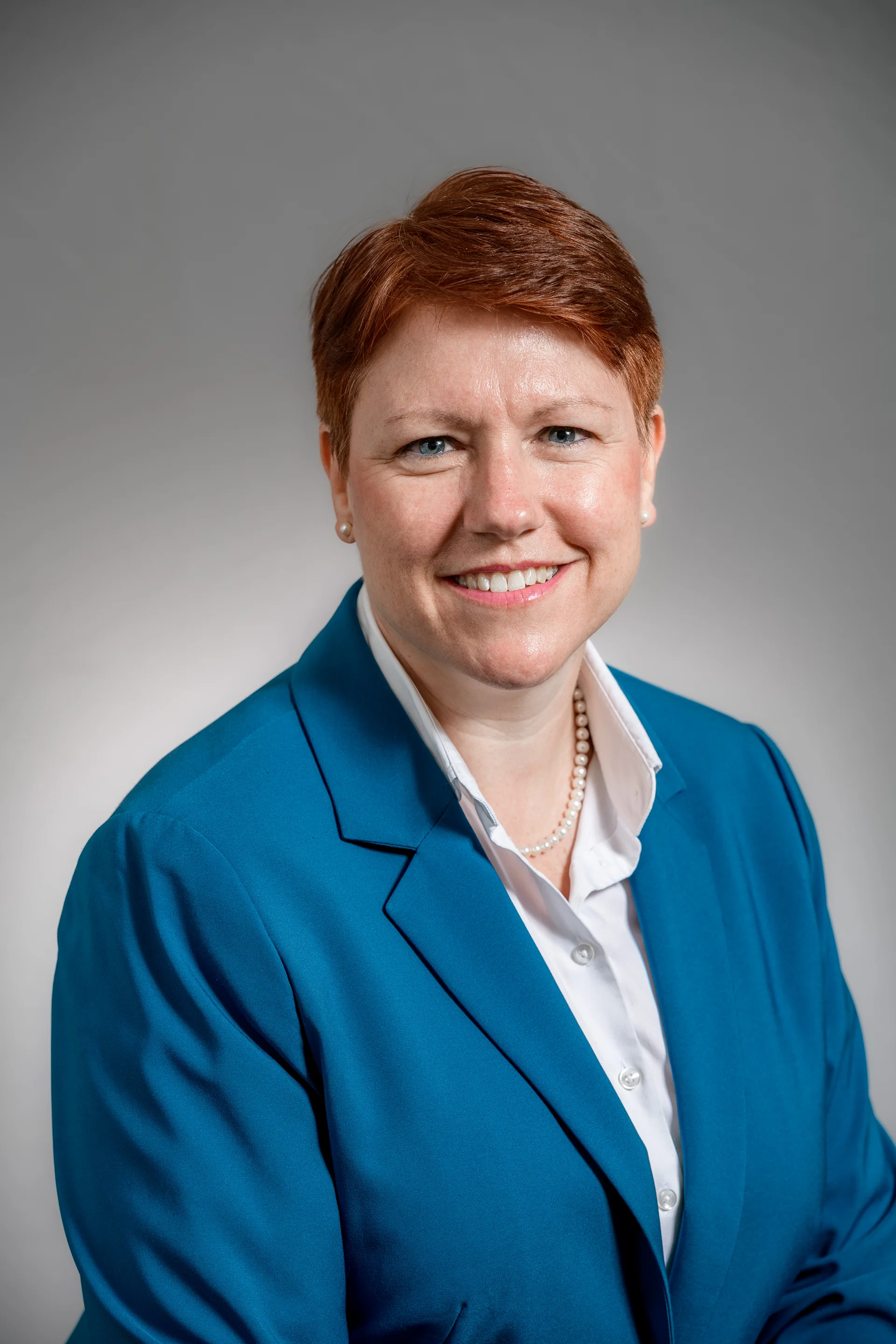
Author profile
Chiara-Felicitas Otto is the owner of exficon GmbH in Frankfurt am Main, which she founded in 2011. Before that, she was responsible for export and project financing in sub-Saharan Africa for many years. Today, her 15-strong team helps clients structure export and project financing in 35 African markets.