At a glance
Why this issue is important:
We are still a long way from achieving gender equality, be it economically, socially or politically. One of the many consequences is that a great deal of economic potential is being wasted as a result.
Opportunity for growth:
Companies that support women and embrace diversity tap into new markets, attract skilled workers, boost their productivity and are more resilient as a result.
Companies can get involved:
On-site training, mentoring and leadership programmes support ambitious young employees who enrich the organisations in which they work. Initiatives such as the Global Supply Chain Coalition (GSCC) help to support equality throughout the supply chain.
Development policy cooperates with international partners to empower people to overcome poverty and shape their own lives independently and self-reliantly. Although the importance of gender equality is becoming increasingly recognised, it is not always consistently incorporated into the economic context as a key factor for success, and enormous inequalities still persist globally. According to a World Bank study, women on average enjoy less than two-thirds of the legal rights afforded to men. None of the 190 economies reviewed had yet achieved full legal economic equality, partly and in particular due to restrictive laws that actively oppress women and girls. This structural disadvantage has a significant impact on global business relations. In the field of education in particular, it leads to unequal access rights and limited career opportunities, which directly hampers the ability of skilled workers to achieve their full potential and women’s ability to participate in the workforce.
Equality pays off
Other recent figures illustrate the status of women’s economic equality worldwide:
- Women-led businesses receive USD 320 billion less in loans, even though experience shows that repayment rates are higher among women than men. In Africa, the financing gap facing women stands at USD 42 billion.
- Women around the world carry out 16 billion hours of unpaid care work every day.
- Globally, women earn around 20% less than men.
Gender equality is therefore not an optional extra. It is a central pillar for stable, inclusive and sustainable societies and economic systems. It is a fundamental investment in economic resilience, innovation and sustainable development.
Since 2023, the Federal Ministry for Economic Cooperation and Development (BMZ) has been pursuing gender equality as a strategic cross-cutting objective. International commitments such as the CEDAW Convention (1979) and SDG 5 of the 2030 Agenda highlight just how globally relevant and important this issue is.
Diversity in the workplace – both a responsibility and an opportunity
Companies with global operations also bear a great deal of responsibility. In countries of the Global South, companies often encounter traditional gender roles and legal restrictions that make it difficult for women to earn an income. Companies have an important role to play here – they can help break down barriers, establish fair working conditions and support women.
Companies that incorporate gender and diversity considerations benefit in a number of ways:
- Securing a skilled workforce through equality: The potential female professionals have to offer often remains untapped in innovative sectors such as renewable energy or the circular economy. Targeted training initiatives, fair recruitment processes and inclusive working models can unlock talent. This boosts economic performance and also supports social inclusion and stability.
- Diversity as a competitive edge: Fair, inclusive and family-friendly work practices make businesses more innovative, competitive and resilient in times of crisis. They make them more attractive to employees and help to retain staff.
- Market access and target audience expertise: Women represent a key consumer group in many sectors. Companies that design their products, communications and brand management around diversity are tapping into new markets and strengthening customer loyalty – particularly in consumer-based sectors. Many companies have already recognised these benefits and are improving the lives of women throughout their supply chains and supporting women managers and staff within their organisations.
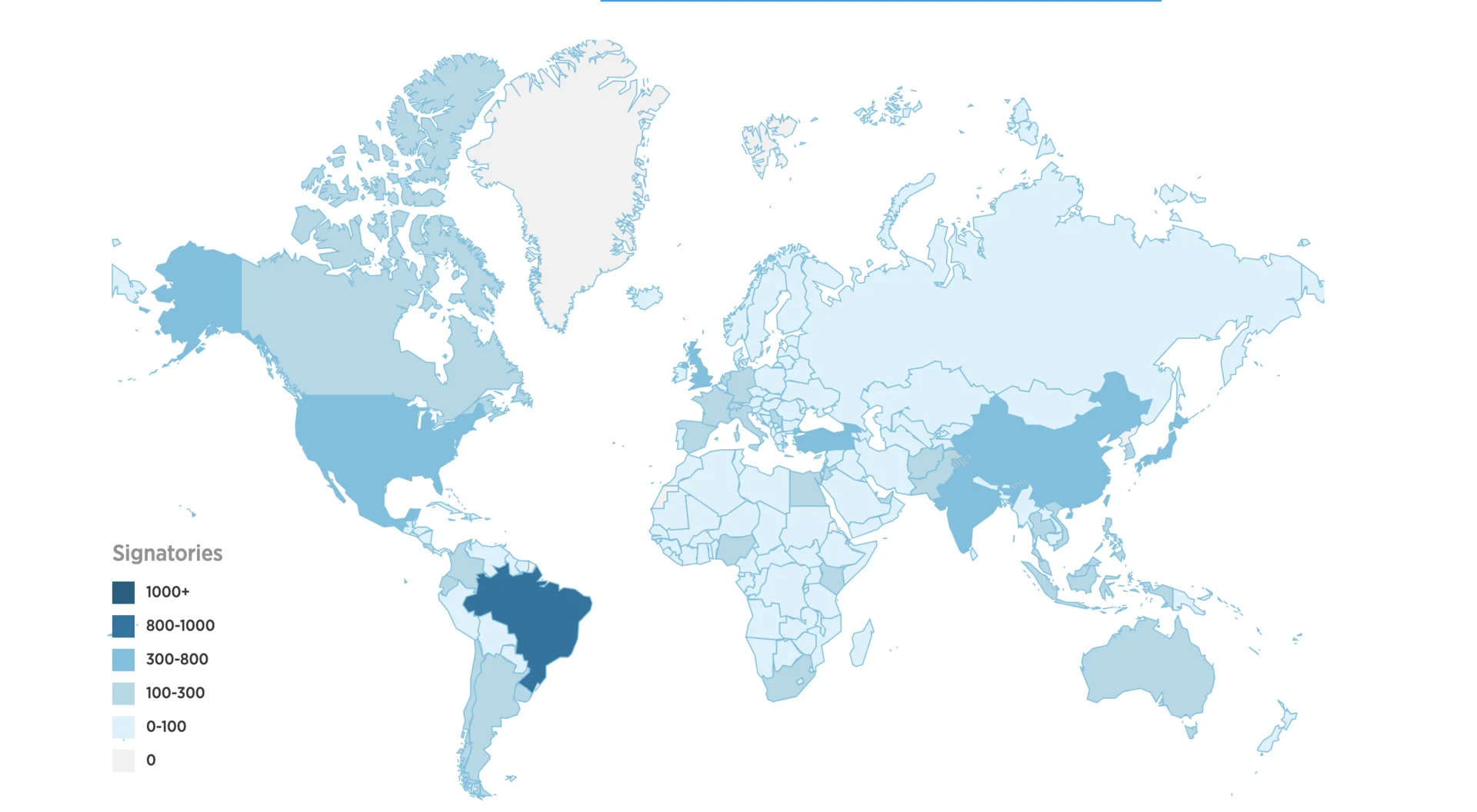
Graphic adapted from a template by plan p GmbH, licensed under CC-BY 4.0.
Advisory services and support programmes
Equitable participation in the economy offers enormous opportunities for both the economy and society. There are three key areas for action as part of this win-win approach:
- improving women’s job and income prospects, for example through upskilling;
- strengthening women’s leadership and entrepreneurship skills;
- developing products and services that are specifically tailored to women’s needs.
The Agency for Business and Economic Development (AWE) can advise you on these topics. It also organises networking events designed to provide women with an opportunity to share ideas and learn from one another. AWE also initiates and supports co-creation processes that develop innovative projects in collaboration with business stakeholders in the field of gender and diversity.
AWE advises interested companies on training courses, initiatives and mentoring and support programmes that focus on gender and diversity, such as:
develoPPP
Global Supply Chain Coalition (GSCC)
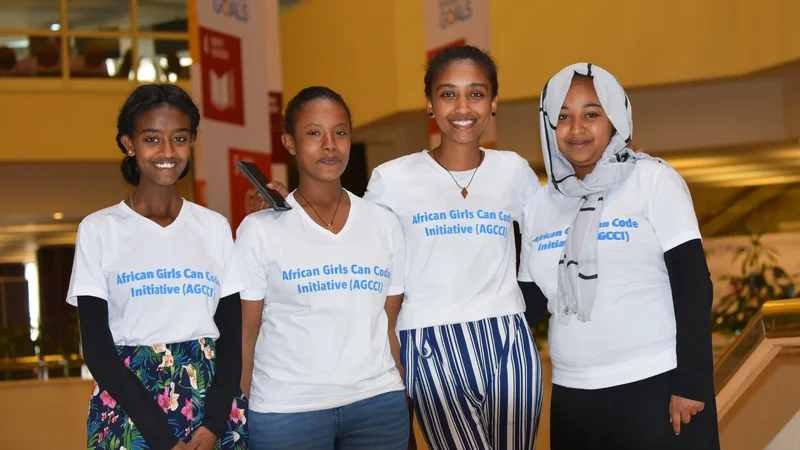
African Girls Can Code Initiative (AGCCI)
Ouissal
Women Going Digital
Fairness across the supply chain – The Global Supply Chain Coalition
Together with AWE, UN Women launched the Global Supply Chain Coalition in 2025. The coalition assists companies in strategically embedding gender equality across global supply chains, to make them more sustainable and resilient. GSSC focuses on three specific areas – identifying risks and opportunities throughout the supply chain, developing effective measures to support equality, and strengthening inclusive recruitment and training processes. This makes a significant contribution to business performance, risk management, compliance and long-term value creation.