Your Portal for Practical Examples
Whether you are a supplier, wholesaler, or medium-sized manufacturing company, global supply and value chains present challenges for businesses of all sizes when it comes to implementing human rights and environmental due diligence.
For this reason, we have partnered with the United Nations Global Compact and Verisk Maplecroft to compile a range of practical examples and analyses on key environmental and human rights issues on a dedicated portal.
B&HR NavigatorKey Issues: The Environment and Human Rights
For each topic area, you will find background information, practical examples, recommendations for action, and additional guides and resources. The Practical Guide also illustrates how human rights due diligence can be implemented in practice - from risk analysis to preventive and remedial measures to complaint mechanisms.
Child Labour
Forced Labour
Freedom of Association
Discrimination in Employment
Occupational Safety and Health
Living Wage
Working Time
Migrant Workers
Indigenous Peoples
Gender Equality
Clean, Healthy and Sustainable Environment
Digital & Emerging Technologies and Human Rights
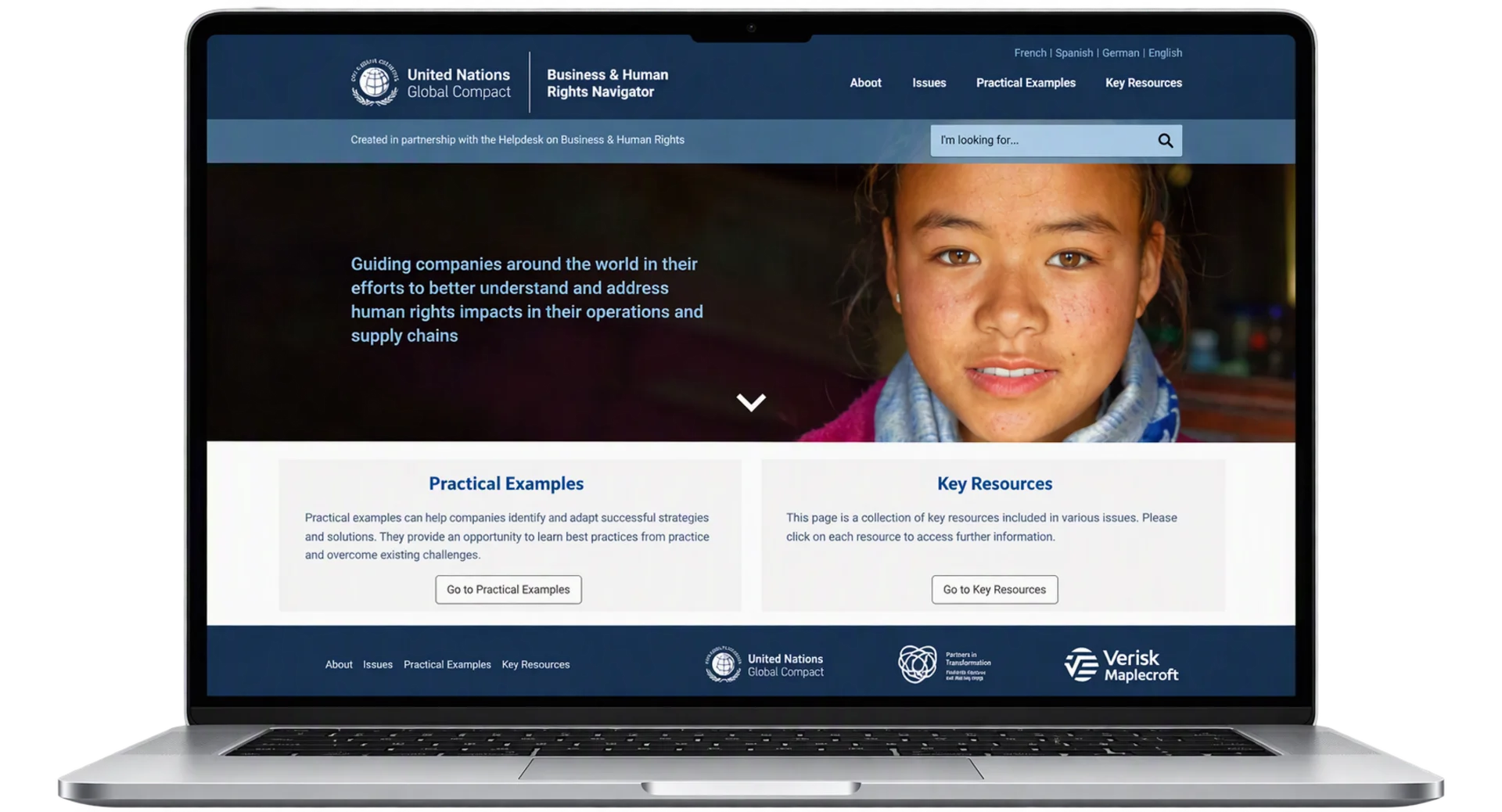
Go directly to the Navigator
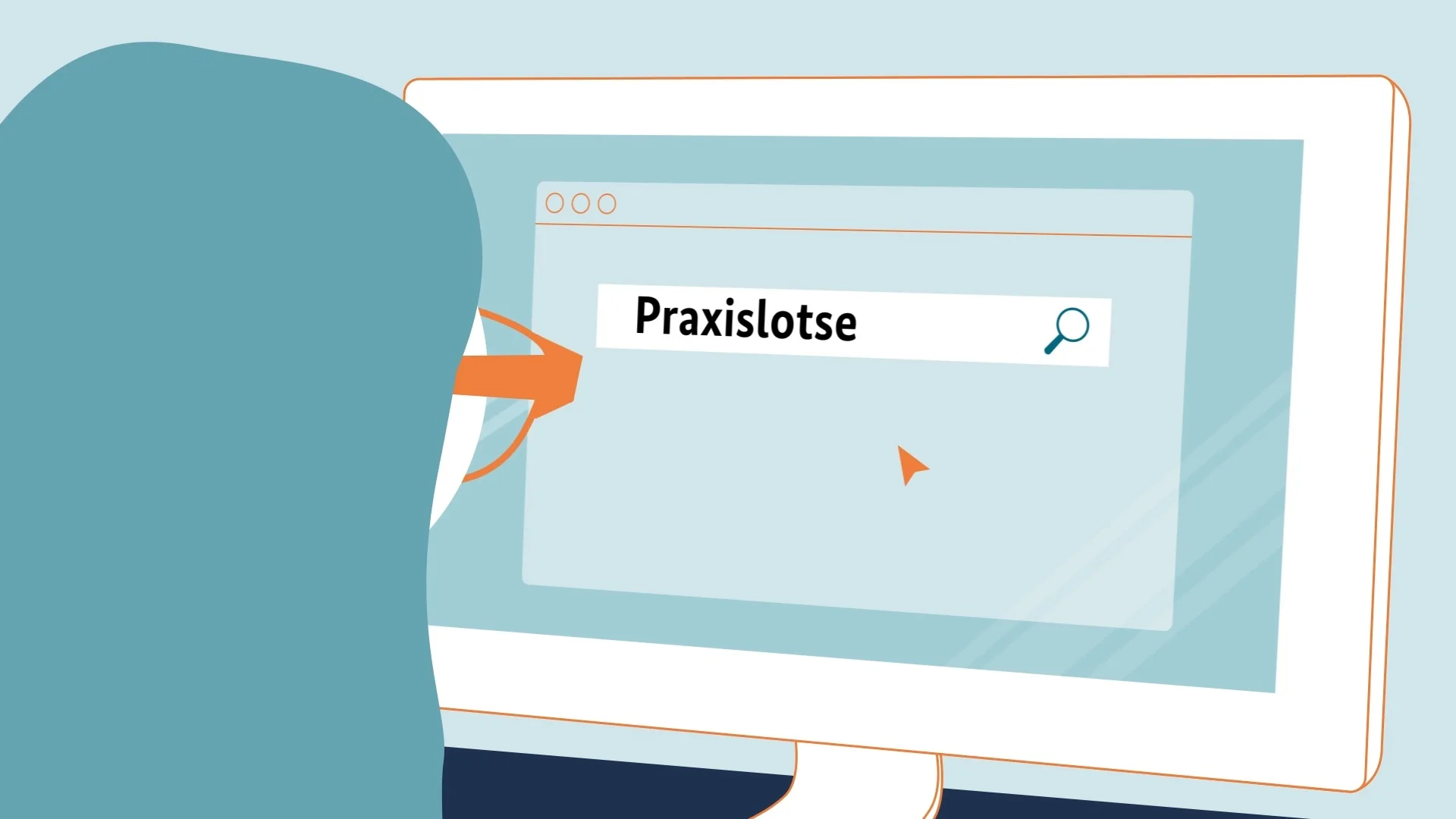
The Navigator helps you better understand the impact of your activities and supply chains on human rights and supports you in implementing human rights due diligence in practice through company examples.
B&HR NavigatorThe Navigator at a Glance
By clicking on the button, you consent to the transfer of your data (including your IP address) to YouTube.
As this is a company based in the USA, you also consent to the transfer of data in accordance with Article 49(1)(a) of the GDPR. Further information can be found in the
privacy policy
.
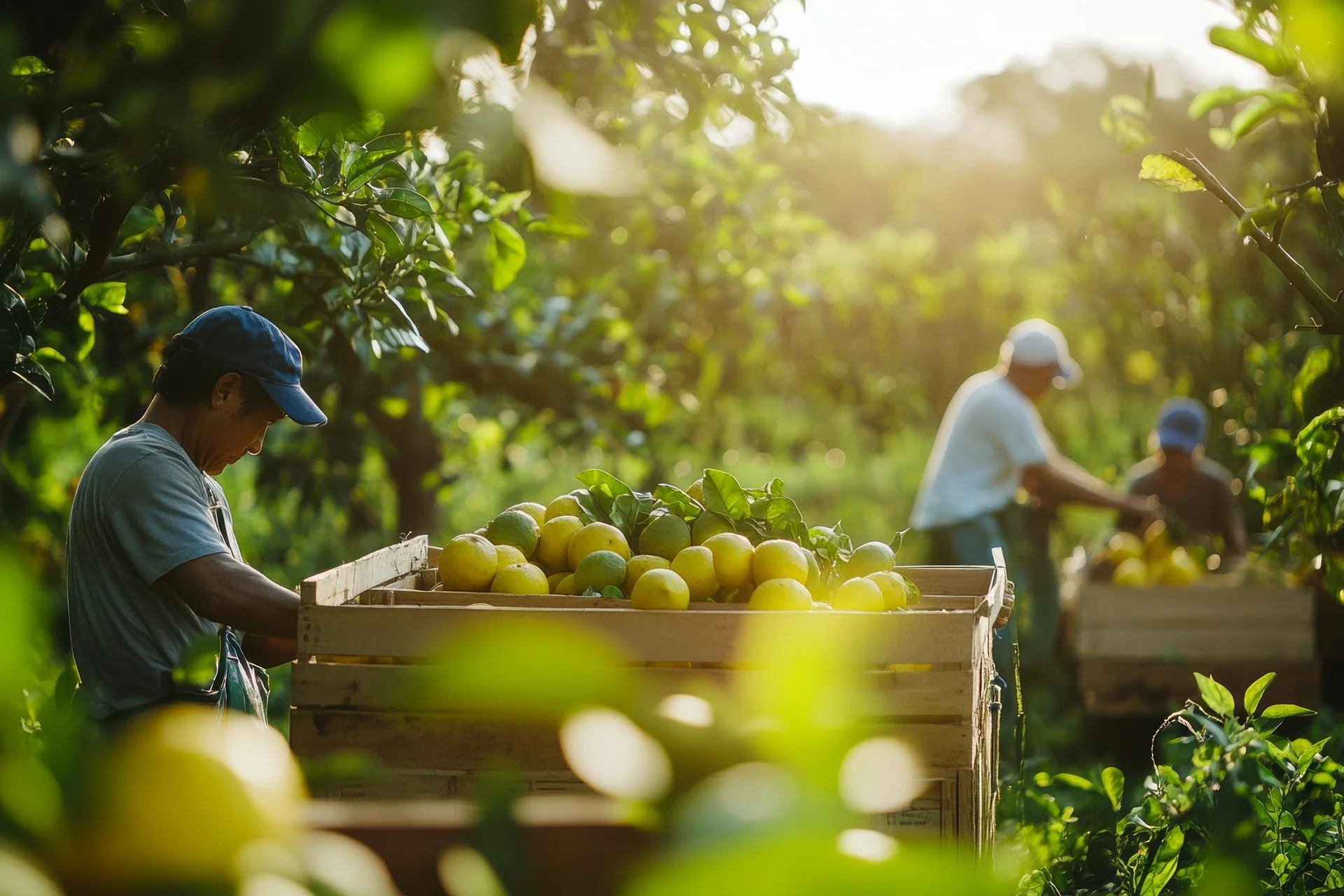
Citrus supply chain: identifying risks and taking action (Italy)
The cosmetics company L’Oréal, together with the Danish Institute for Human Rights, examined its citrus supply chain for bergamot in southern Italy. This revealed key challenges, including the exploitation of migrant workers and a lack of transparency among certain suppliers.
In response, L’Oréal systematically strengthened its human rights due diligence processes, expanded its risk analyses, and supported suppliers as well as certification bodies through targeted training. Find out which measures were implemented and how they were put into practice in the Business & Human Rights Navigator.
Go to case study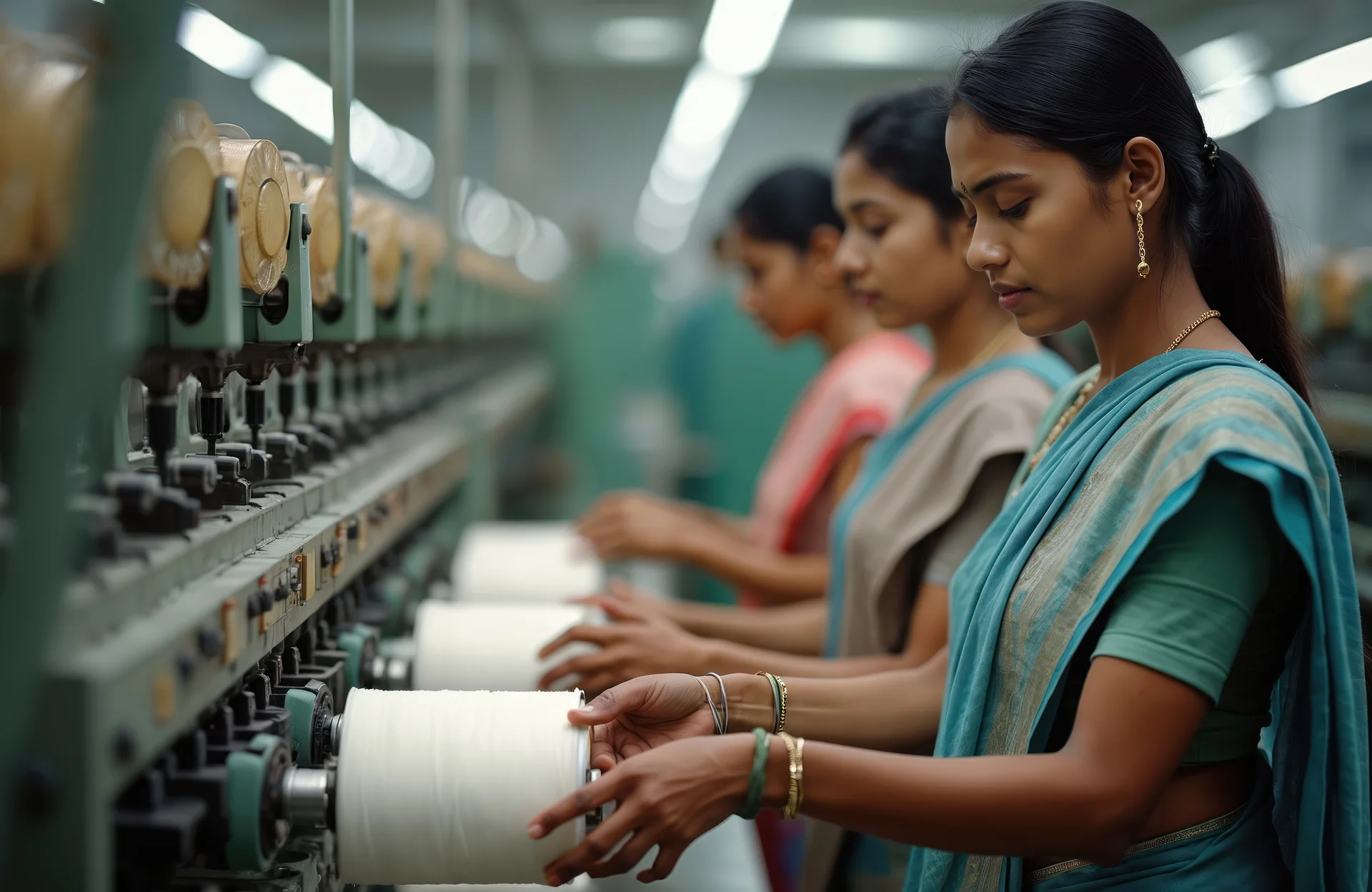
Pioneering Work for Living Wages in the Textile Industry (India)
As part of its due diligence process, a German textile manufacturer analysed human rights risks in its supply chain - with support from the Helpdesk on Business and Human Rights. Low incomes in textile production were identified as a key risk. In cooperation with Fairtrade, the company established a new standard: Brands Fashion became the first company worldwide to certify an entire supply chain according to the Fairtrade Textile Standard.
What steps are required to achieve this, and what challenges arise in the process? Learn more in the Business & Human Rights Navigator.
Go to case study