Target of EU accession provides momentum
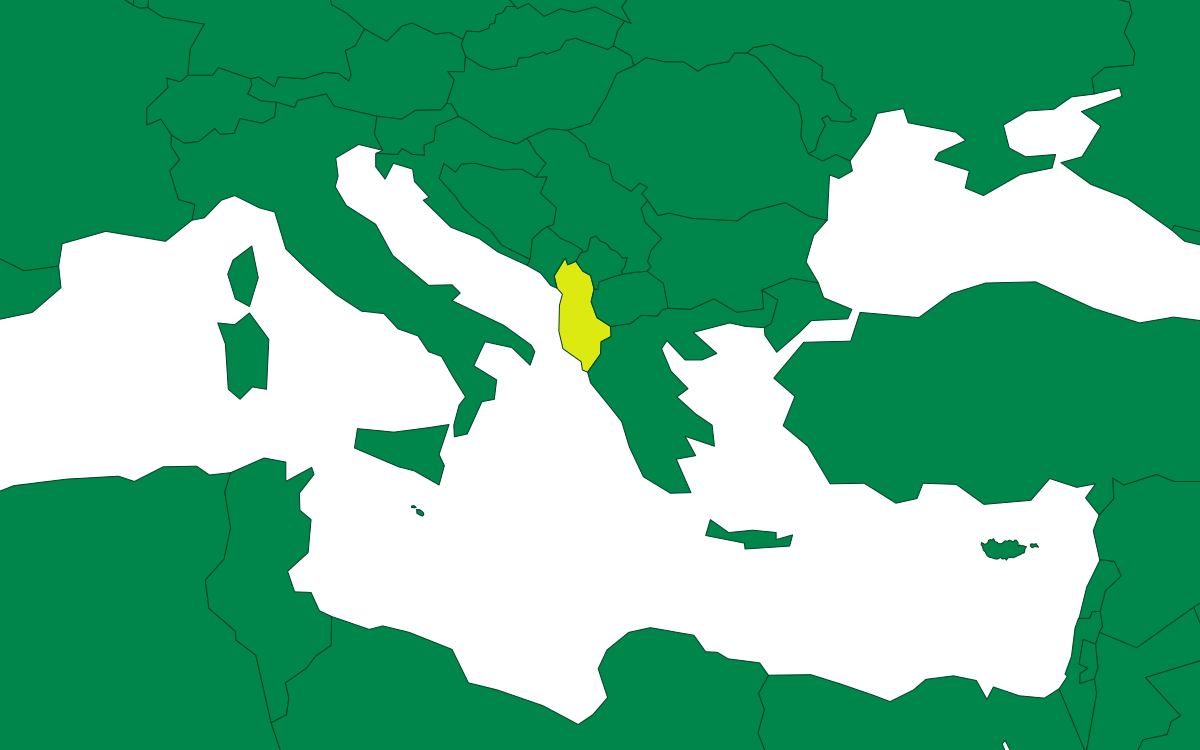
Albania is setting its sights high. The tourism boom of the past decade is seen as just the beginning, and the goal of European Union (EU) accession is driving development. The proximity to western and central Europe, both culturally and geographically, gives the Balkan country a double advantage. This can make cooperation easier compared with overseas projects.
Almost two thirds of the 2.8 million inhabitants are aged between 15 and 64 and almost all of them – over 98 per cent – can read and write. At the same time, proficiency in English in Albania is above average by international standards. Apart from a dip during the COVID crisis, life expectancy has been rising steadily for decades and is currently around 80 years.
More than just tourism
Albania finds itself in a remarkable situation. The country is working hard to prepare its economy for the EU. At the same time, it offers huge potential as its market is not yet saturated. German companies can find plenty of scope for activity, especially if they team up with local partners.
As well as a steadily growing IT industry, the tourism sector in particular continues to offer a wide range of opportunities. Sustainable models are playing an increasingly important role here. A project implemented by the Deutsche Gesellschaft für Internationale Zusammenarbeit (GIZ) GmbH integrates these efforts with the additional aim of further developing the agricultural sector.
Albania is a pioneer in renewable energies, with hydropower plants covering almost all of its electricity needs. However, the country has neglected other sustainable energy resources. In summer, problems occur if there is not enough rain. The government would therefore like to broaden the scope of sustainable electricity supply, which in turn presents opportunities for development-oriented companies.
Growth outpacing the EU
With a gross domestic product (GDP) of 28.4 billion dollars, Albania is one of Europe’s smaller economies. On the flip side, this makes it all the more dynamic. Recent years have seen steady annual growth of between three and four per cent – a trend that is forecast to continue and is well above the EU average. Nevertheless, the unemployment rate is 8.8 per cent.
The most important sectors of the economy are services (48.9 per cent share of GDP), industry (22.4 per cent) and agriculture (15.5 per cent). The tourism boom is a standout feature of the economy: between 2019 and 2024, annual visitor numbers doubled to around 12 million. Close ties with the EU exist through trade. As the fourth largest buyer of Albanian exports, Germany is a particularly important partner in this field.
Albania is aligning itself with the West
Albania is a parliamentary democracy. Prime Minister Edi Rama has headed the government since September 2013 and currently governs with an absolute majority. The country has a Euro-Atlanticist foreign policy and has been a member of NATO since 2009. EU accession negotiations began in 2022.
As an EU candidate country, Albania benefits from free access to EU markets. It also has a free trade agreement with six other central European countries, including Serbia and North Macedonia.
However, corruption and weak institutions are a cause for concern. In Transparency International’s Corruption Perceptions Index, Albania is ranked only 80th out of 180 countries, despite showing an upward trend. The Freedom House index ranks the country as ‘Partly Free’. Albania’s Gini index is 29.4 (2020), which indicates relatively moderate income inequality by global standards.
Enormous potential for German companies
With the Albanian Government’s EU policy setting the course for the future, the Balkan country is taking steps to harness its diverse potential. German companies can also benefit from this. They can receive funding through develoPPP, for instance. At the same time AWE supports companies in identifying and implementing development-related projects in Albania.
The biggest opportunities for companies are in three areas:
- Services, especially IT and tourism
- Agriculture
- Energy
Since 2025, the Partners in Transformation Desk Western Balkans has also been providing advisory services for the entire region. This support makes it possible for companies to engage in international projects.