To ensure that its business support programmes are as effective as possible, the Federal Ministry for Economic Cooperation and Development (BMZ) has consolidated all of its activities in this area under a single umbrella brand: Partners in Transformation. Our shared goals are to strengthen cooperation between the business and development policy sectors, promote sustainable growth in the countries of the Global South, jointly open up new markets and build stronger international relations between Germany and its partner countries.
Our programmes can help you to make new contacts, find the required expertise and identify suitable funding mechanisms. While some are specifically designed to offer advice and guidance, particularly on designing your business model, others offer targeted support to help you implement and finance your projects. These include:
- Agency for Business and Economic Development (AWE): central point of contact, providing advice and facilitating networking, including through the Partners in Transformation Desks
- Helpdesk on Business and Human Rights: point of contact for fair supply and value chains
- develoPPP: global funding programme for projects implemented as part of public-private partnerships financed equally by the public sector and private companies
- Impact Connect: an offering by the German Investment Corporation (DEG) providing loans for investment projects with a positive development impact
- Import Promotion Desk: facilitates sustainable trade contacts in selected partner countries
- Services for chambers and business associations: sequa gGmbH and the German Sparkassenstiftung for International Cooperation offer Chamber and Association Partnerships (KVP) as well as TVET partnerships
What has the Partners in Transformation network achieved so far?
In early 2024, the Federal Ministry for Economic Cooperation and Development consolidated its various business support programmes under a single brand name – Partners in Transformation – and began to ramp up its engagement with the private sector. The positive impacts of these joint projects are evaluated yearly in a combined report. In 2024, for example, nearly 20,000 jobs were created worldwide.
Economic growth through cooperation
When it comes to maximising the impact of development projects, the expertise and financial heft of the private sector are crucial. Collaborating with official development agencies, NGOs and other international organisations allows businesses to build valuable networks. In turn, these partnerships make it easier for companies to access funding, enter new markets, gain a competitive edge and create lasting economic opportunities.
The Agency for Business and Economic Development is the main point of contact for businesses planning sustainable projects in developing countries and emerging economies. We have been helping German and European companies to launch sustainable projects and investments in countries in the Global South since 2016. Our team of around 50 advisers is based partly in Germany and partly in the emerging countries of the Global South.
What we offer:
- Many years of experience and country-specific expertise
- Connections with partners from both politics and business
- Advice on funding opportunities and support programmes
- Know-how, resources, ideas and projects, all in one place
On the ground – how AWE is supporting reconstruction in Ukraine and Syria
It is especially in times of uncertainty and crisis that we see what can be achieved through economic cooperation. Whether in Ukraine or Syria, the process of reconstruction cannot succeed without private sector engagement. AWE’s role is to advise companies that want to be involved in this process. Its Ukraine Infodesk offers structured information and practical guidance on funding, financing and hedging instruments, and on current tenders issued by international financial institutions. AWE is also creating a multi-sector Infodesk for Syria that will advise companies wishing to play a part in the country’s economic reconstruction.

Three key benefits
We can help you gain a foothold in promising new markets, establish contact with key partners and transfer your know-how. Our focus is on sectors and topics that are already shaping the future, such as skills training, renewable energy and supply chains.
We can advise you on all key aspects of economic cooperation:
- How does your target market work?
- What local contacts do you need?
- How can you hedge the financial and non-financial risks?
- Which funding programme is right for you?
In terms of benefits, our support for long-term business engagement in partner countries has three key objectives:
- To create business opportunities for German and European companies in markets of the future.
- To establish and consolidate trusting business relationships in the Global South
- To help developing and emerging countries build stable, fair and sustainable economies.
With these goals in mind, we are committed to building equal partnerships that create opportunities for local people through investment.
AWE is part of the umbrella brand Partners in Transformation, which combines all BMZ’s services. It also manages communications on behalf of the umbrella brand.
AWE’s top priorities
Developing skills and providing better training
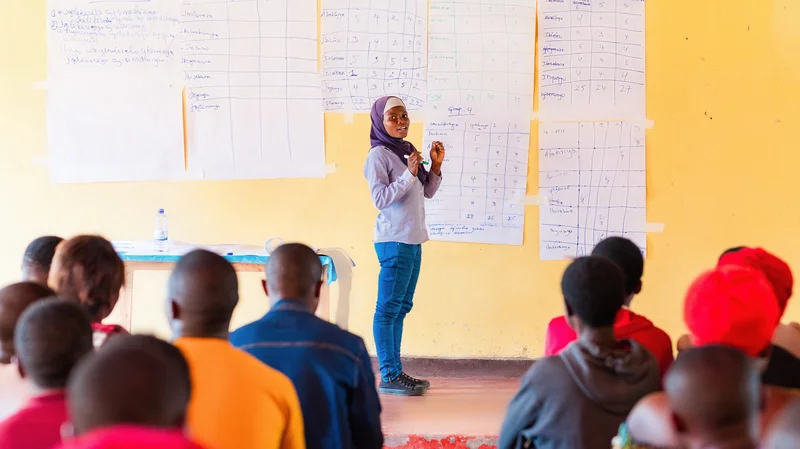
Decent work is key to combating poverty, hunger and inequality. By helping to develop a local skills base, you can attract the qualified workers you need for your own value chain. Your business stands to benefit from local know-how and a stable workforce. Our mission, in collaboration with the private sector, is to implement development projects that create fairly paid jobs based on safe and decent working conditions. By working together to promote high standards, provide vocational training and build stable structures, we can ensure that these are jobs with a long-term future – benefiting not only local people but also those companies that operate, or wish to establish a presence, in our partner countries. Looking ahead, we want to place even greater emphasis on building the skills needed by workers and trainees to find career opportunities both in their home country and in Germany.
Expanding renewable energy and strengthening infrastructure
We support the expansion of renewable energy in the partner countries of German development cooperation. Our goal here is to combine energy security and sustainable economic development with social progress and climate action. The private sector has a crucial role to play in this area, providing the technology needed to design and build green infrastructure and promote clean energy. German and European expertise is also in demand across the Global South, where many places still have no access to power and where renewable energy systems can be used to complement sectors such as agriculture (through agrivoltaics, for example). Future markets based on technologies such as solar, hydrogen and energy storage will continue to grow and have the potential to become key sectors of the 21st century.
Promoting the responsible extraction of raw materials
We support German companies that wish to engage fairly and sustainably in the raw materials sector. Against a backdrop of rising demand for lithium, rare earths and other critical raw materials, we promote investment in local processing and fair partnerships with resource-rich countries. Together with our partners in the private sector and in line with Germany’s Supply Chain Act, we are committed to high environmental and social standards throughout the supply chain. Building on technological expertise, recycling solutions and digital innovations, new areas of business are emerging that can help to strengthen local structures and provide reliable and sustainable supplies of raw materials.
Why economic cooperation is so important
Through our work, we help to shape German development policy. Cooperating with developing countries and emerging economies is vitally important to Germany and the German economy. In response to current geopolitical challenges – global uncertainty, international trade tensions and worldwide competition for raw materials, to name just a few examples – BMZ has made economic cooperation with the Global South a strategic priority. For a major industrial and export-oriented nation such as Germany, reliable and trusting partnerships are indispensable. This approach also gives us influence in many areas, including the nexus between foreign, defence and development policy.
Companies, business associations and other economic actors are key partners in German development policy. Together, we can advance Germany’s interests by combining business success with the establishment of fair and sustainable economic systems in our partner countries.
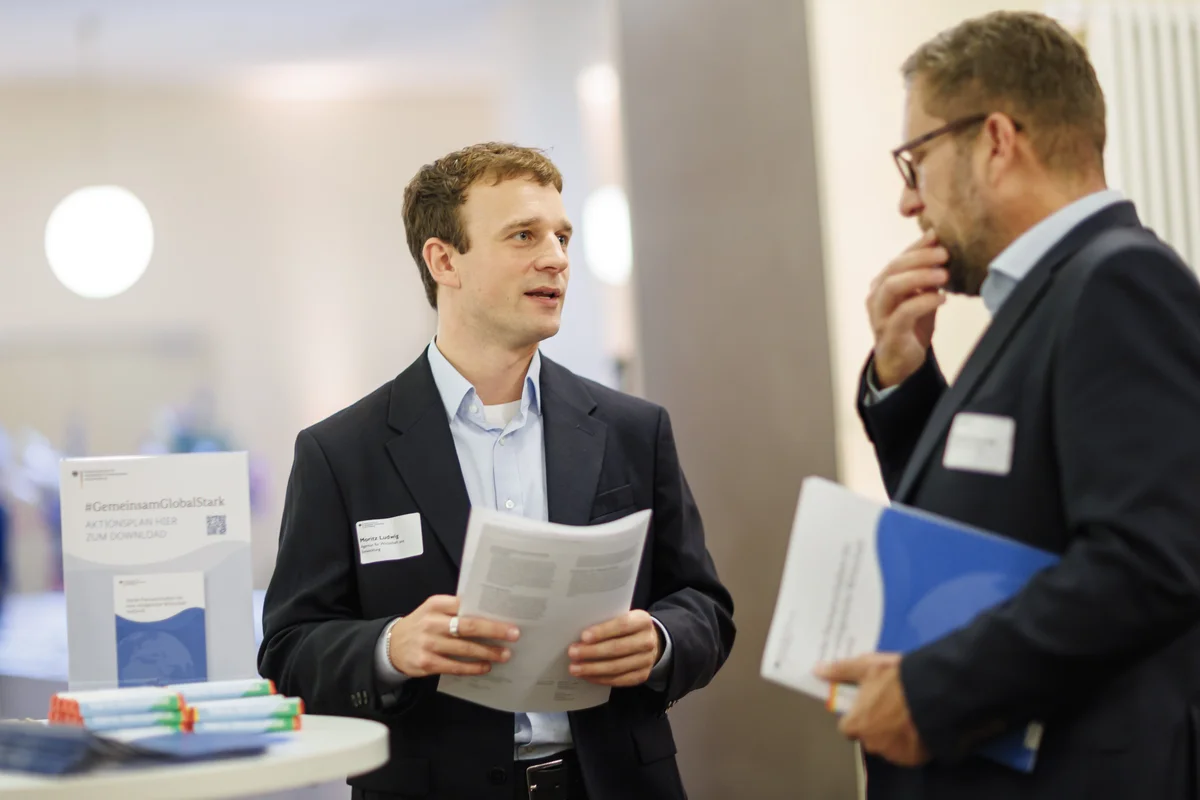
The Helpdesk on Business and Human Rights was set up by the German Government in 2017 to act as the main point of contact for companies and business associations seeking initial advice and onward referrals on these topics. We provide free, personalised and confidential advice on human rights and environmental due diligence – including the issue of deforestation-free supply chains – to companies of all sizes. In addition to this advisory role, we organise events, run training courses, lead workshops and produce online tools for companies. We provide information on current developments and maintain a number of online platforms that businesses can use to share ideas and learn from each other. Our experienced advisors can also help you to align your business activities with environmental and social standards.
One team, a wealth of expertise
The Helpdesk on Business and Human Rights is a highly diverse unit comprising specialists in business administration, biology, economics and law. The team can therefore draw on a wide range of professional skills, experience, individual strengths and sector-specific insights that complement each other perfectly and create a strong foundation for our work advising on sustainability issues. Building on this expertise, we translate complex requirements into clear and practical guidance. In this role, we act as a dedicated sparring partner to help you deal with all the practical steps that need to be taken within your organisation. We also offer a number of valuable platforms that can be used to share ideas and experiences.

Contact
Helpdesk on Business and Human Rights
- Phone
- +49 30 2130 8430-0
- Send Email

Sarah Adem-Neufeld
Marketing & Communication, Helpdesk on Business and Human Rights
- Phone
- +49 30 2130 8430-1818
- Send Email
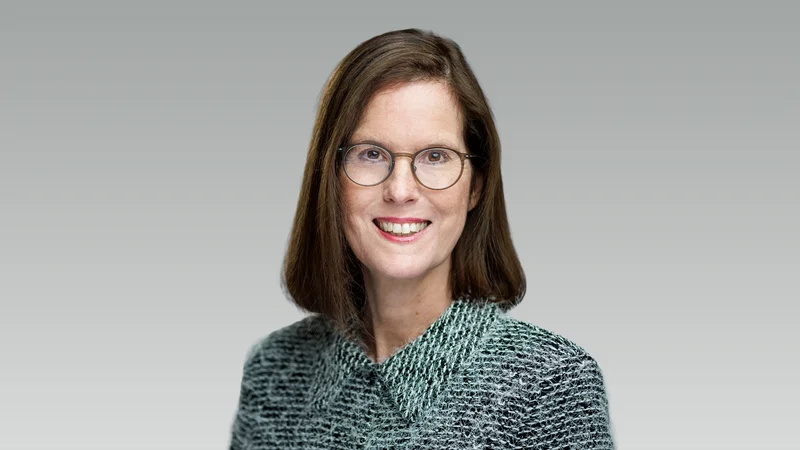
Dr. Jessica de Wolff
Head of Helpdesk on Business and Human Rights
- Phone
- +49 30 2130 8430 13-56
- Send Email

Dr. Jana Heinze
External Advisor, Helpdesk on Business and Human Rights
- Phone
- +49 30 2130 8430-0
- Send Email

Jessica Kruse
Advisor, Helpdesk on Business and Human Rights
- Phone
- +49 30 2130 8430-0
- Send Email

Dr. Katrin Merhof
Advisor, Helpdesk on Business and Human Rights
- Phone
- +49 30 2130 8430-1808
- Send Email
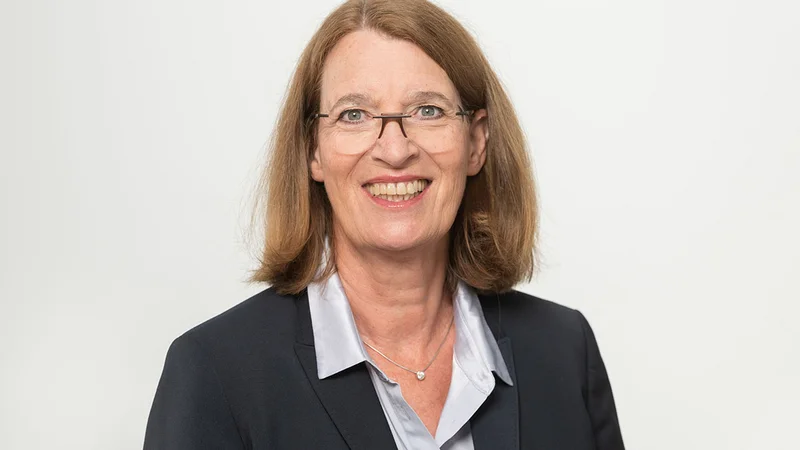
Sabine Peters-Halfbrodt
External Advisor, Helpdesk on Business and Human Rights
- Phone
- +49 30 2130 8430-0
- Send Email

David Pyka
Advisor, Helpdesk on Business and Human Rights
- Phone
- +49 30 2130 8430-1620
- Send Email

Miriam Teweldebrhan
Advisor, Helpdesk on Business and Human Rights
- Phone
- +49 221 4986 1682
- Send Email
Anna-Katharina Ullmann
Advisor, Helpdesk on Business and Human Rights
- Phone
- +49 30 2130 8430-1934
- Send Email

Johannes Maximilian van Lingen
External Advisor, Helpdesk on Business and Human Rights
- Phone
- +49 30 2130 8430-1988
- Send Email
Our purpose
Whether it’s protecting the health and safety of workers, combating forced and child labour, providing a living wage or preserving biodiversity, companies are increasingly focused on complying with environmental and human rights standards across their supply and value chains. This is partly driven by the adoption of stricter legislation in these areas at both the national and European levels, for example Germany’s Supply Chain Act (LkSG), the EU Corporate Sustainability Due Diligence Directive (CSDDD) and the EU Deforestation Regulation (EUDR). Companies are also under pressure to respond to the growing expectations of their customers, investors and employees. Our role is to offer whatever guidance, support and practical assistance you may need to design and implement socially and environmentally responsible supply and value chains.
How we can support you
The Helpdesk can provide advice, organise training courses and hold workshops to ensure that your operations are environmentally and socially responsible and to identify any existing gaps. For example, we can help you to:
- develop a strategy for your business activities,
- identify and assess human rights and environmental risks,
- recognise and assess deforestation risks,
- build deforestation-free supply chains,
- implement preventive and remedial measures,
- measure and document your progress.
The Helpdesk on Business and Human Rights is funded by BMZ and operated by DEG Impulse.
Our online tools
CSR Risk Check
The CSR Risk Check was developed by MVO Nederland with funding provided by the Dutch Ministry of Foreign Affairs. The German-language version is jointly funded by BMZ and the Swiss State Secretariat for Economic Affairs, and is operated by the Helpdesk on Business and Human Rights in collaboration with UPJ and MVO Nederland.
To the CSR Risiko-CheckSME Compass
SME Compass is an online tool that helps businesses take responsibility for social and environmental sustainability throughout their supply and value chains.
- The integrated Due Diligence Compass is designed to help you implement due diligence processes step by step.
- The Standards Compass will guide you through the maze of sustainability standards and allow you to check and compare requirements.
Business and Human Rights Navigator
The Business and Human Rights Navigator brings together key information and numerous case studies on specific environmental and human rights issues, such as forced labour, child labour, discrimination, living wages and fair working hours. It was developed by the United Nations Global Compact in collaboration with the Helpdesk on Business and Human Rights and Verisk Maplecroft.
To the Business and Human Rights Navigatore-learning course ‘Implementing human rights due diligence processes in your business’
This online course will help you understand the relevance of human rights in a business context. It highlights the first steps required and the tools and resources you need to start implementing human rights due diligence processes in your company. For your free access code, simply email: kontakt@helpdeskwimr.de
To the online course