Stronger through reforms and investment
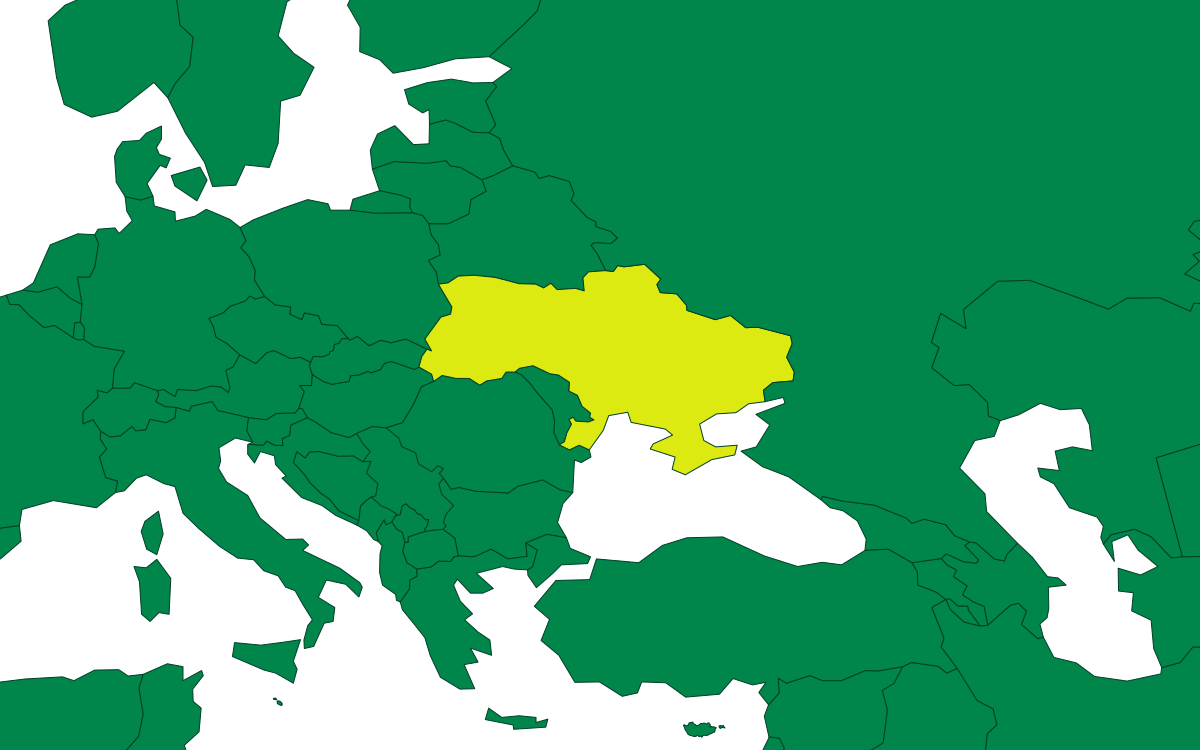
Ukraine is in an ongoing state of emergency due to Russia’s war of aggression. Through reforms, the government is aiming to ensure that the country emerges from this difficult situation stronger and modernised. International investment and expertise play a key role here, while well-trained experts and an abundance of natural resources serve as the foundation. Not only does Ukraine have fertile soil, it also holds some of Europe’s largest reserves of raw materials. In addition to natural gas and coal, this includes large amounts of iron, manganese, lithium, graphite and titanium.
Almost two thirds of the country’s population of almost 30 million people are aged between 15 and 64, and the literacy rate is close to 100 per cent. Ukraine is also heavily urbanised, with seven out of 10 people living in urban areas.
The IT, raw materials and energy sectors offer significant opportunities
Ukraine’s IT sector is very large and thrives on an abundance of well-trained experts. ‘Diia.City’, a unique legal framework established in 2022, benefits from this. It offers international IT and technology companies in Ukraine favourable tax rates and flexible labour regulations. The uResidency programme also allows foreign companies to operate in Ukraine without their own premises in the country.
Despite its wealth of raw materials, the sector currently accounts for just four per cent of gross domestic product (GDP). This offers German manufacturers of mining technology interesting market opportunities, particularly for state-of-the-art equipment and sustainable technology. There is also potential for growth in renewable energies, with the government looking to increase the proportion of renewables in the energy mix from eight per cent in 2020 to 27 per cent by 2030.
Growth as resistance
Ukraine’s economy is proving resilient. GDP increased by around two per cent in 2025, driven among other things by defence spending and food and raw materials exports. In 2026, it could even grow by a further 4.6 per cent. The unemployment rate is 11.6 per cent.
The key sectors are services (60 per cent of GDP), mining and industry (19 per cent), and agriculture (seven per cent). Ukraine’s natural resources are strategically important for Europe’s green transformation. This is another reason for the country’s close economic ties with the EU. The Deep and Comprehensive Free Trade Area (DCFTA) improves access to the internal market, while EU aid remains a central pillar of the Ukrainian economy.
InfoDesk Ukraine: information and advice for your activities in Ukraine
Ukraine has already begun reconstruction and transformation towards a modern industrial state. As part of this, EUR 700 billion is to be invested by 2032. The German Government, the EU and other donors are supporting companies pursuing activities in Ukraine. The InfoDesk Ukraine is the central point of contact and provides support in planning and realising business plans.
To the InfoDesk UkraineBetween martial law and EU approximation
Ukraine is under martial law, which means that elections cannot be held, for example. President Zelensky’s government was reshuffled in summer 2025, but this is unlikely to result in any major changes to domestic policy. As an EU candidate country, Ukraine is aligning many of its laws and regulations increasingly with EU law – a major challenge.
Energy shortages, high inflation (12.6 per cent) and mounting public debt all pose risks at present. A Gini coefficient of 25.6 indicates moderate income inequality. Ukraine ranks just 104th out of 182 countries worldwide on the Corruption Perceptions Index 2025. The Freedom House Index rates Ukraine as partly free, with a score of 51 out of 100, which reflects progress on reforms, but also restrictions resulting from the war.
Promising market with hedged risk
Ukraine is a promising market that offers companies the opportunity to gain experience, make contacts and establish a foothold with relatively little competition.
EU accession efforts and the government’s commitment to reforms are driving many projects forward already. German companies can also benefit from this. For instance, they can obtain funding from the develoPPP and ImpactConnect programmes. At the same time, the Agency for Business and Economic Development (AWE) supports companies in identifying and implementing development-related projects in Ukraine. The risks of non-payment can also be covered by the German Government for imports and exports.
The greatest opportunities exist for companies in these five areas:
- Energy and green transformation
- Construction, infrastructure and construction materials
- IT and technology
- Critical raw materials and processing
- Environmental and climate technologies