At a glance
Why is this an important area for German companies?
Climate-friendly, reliable and cost-effective technologies ‘Made in Germany’ are in demand worldwide – including in regions such as sub-Saharan Africa, where demand for scalable, modern energy solutions is high.
Growth opportunities are abundant:
Substantial sums are being invested in the global energy transition from fossil fuels to clean, renewable power, and this investment shows no sign of stopping. The figure stood at around USD 2 trillion for 2024 alone.
Here’s how businesses can get involved:
Germany cooperates with many developing countries and emerging economies in this field through a range of support programmes, offering companies a prime opportunity to help establish and expand energy infrastructure in the Global South.
Climate change – both a challenge and an opportunity
While continuing to pose a major problem, global greenhouse gas emissions also present a huge opportunity for innovation and sustainable progress. Governments, public authorities, NGOs and businesses all have a part to play in achieving international climate targets. And they are ready to work together to implement new green energy and efficiency projects, further develop innovative technologies and expand smart grids. The International Energy Agency (IEA) estimates that electricity generation from renewable energy sources is likely to double between 2025 and 2030. Renewable energy could by then meet around half of global electricity demand.
The Global South has a key role to play
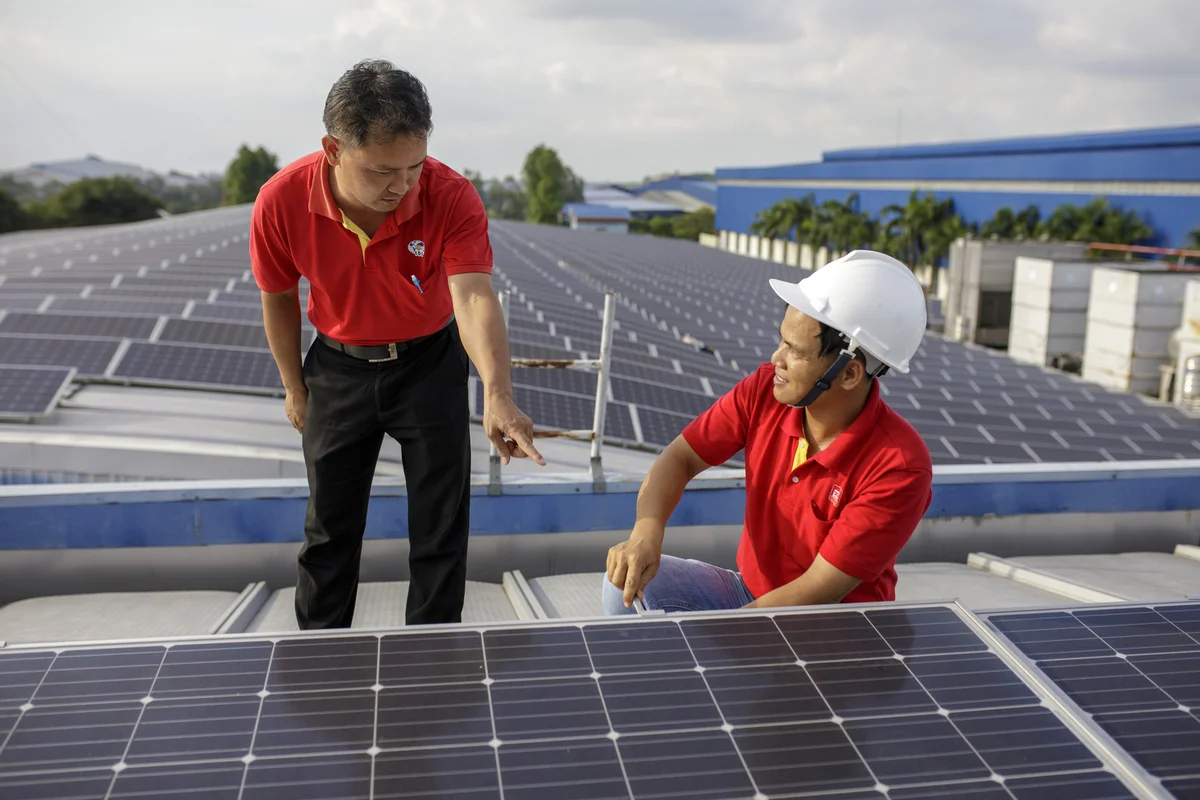
Developing countries and emerging economies have a key role to play in the energy transition. Take sub-Saharan Africa, for example. Here, around 600 million people still have no access to electricity, and supply is unreliable for those who are connected. At the same time, conditions in the region are ideal for large-scale green energy expansion. Here, solar energy, wind energy, biomass and geothermal energy can all be generated effectively in many places.
The potential for renewable energy in Africa exceeds demand many times over, even going on projected figures for 2050. It boils down to providing energy where it is needed using cost-effective, reliable technologies. According to estimates, African countries already have the technologies in place to produce a thousand times the global electricity demand forecast for 2040.
We're here to help.
Jan Knaack
Energy Storage Systems Association (BVES)
- Phone
- +49 162 9720294
- Send Email
- Location
- Germany
Nikolaus Supersberger
German Renewable Energy Federation (BEE)
- Phone
- +49 15201800342
- Send Email
- Location
- Germany
Growth sectors are expanding – partly thanks to German expertise
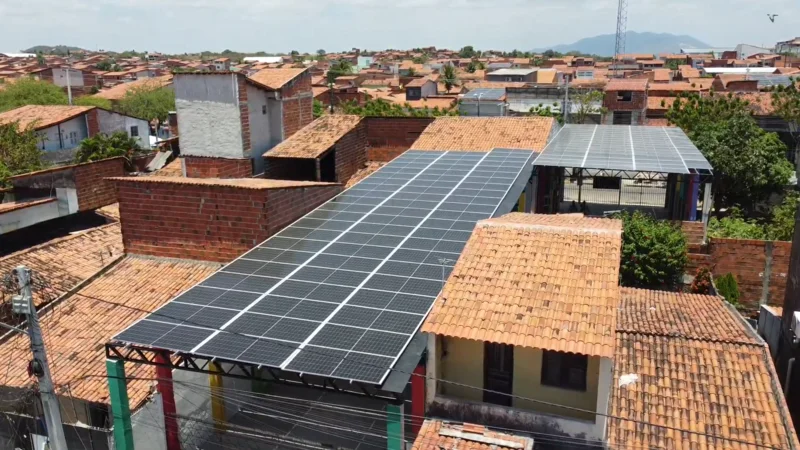
Many German companies have already recognised the opportunities presented by the energy transition and incorporated these into their business models. There are a number of diverse approaches. In South Africa, for example, Sunfarming is building the country’s largest agri-solar system, which combines electricity generation with food production. The start-up VIDA has provided people in sub-Saharan Africa with access to electricity. Geothermie Neubrandenburg GmbH is training experts in Argentina in geothermal energy generation.
Expansion of sustainable energy technologies offers many German companies a host of opportunities – green energy and green tech are among the world’s fastest-growing sectors. In 2024, global investment reached a record high of around 2.1 trillion US dollars.
Funding is primarily being channelled into areas such as renewable energy, energy storage, charging infrastructure, electricity grids, recycling processes and hydrogen production. ‘Made in Germany’ technologies and expertise are in high demand. German companies can use their expertise to support infrastructure development worldwide and even benefit from it themselves.
According to the International Renewable Energy Agency (IRENA), the number of jobs in the renewable energy sector rose from 13.7 million to 16.2 million in 2023 alone. It estimates that the expansion of renewable energy will create around 40 million additional jobs by 2050.
Partnerships and funding foster favourable conditions
Some countries in the Global South are already developing national hydrogen strategies and expanding the use of wind power, solar energy and biomass – partly with the help of investment from German companies. Costa Rica, for example, has been producing almost 100% green electricity for years – thanks to renewable sources such as hydro and wind power, as well as geothermal and solar energy. Countries with rapidly rising energy demand, such as India, Brazil and Indonesia, in particular need swift and efficient solutions.
In recent years, the German Government has launched initiatives to facilitate investment in international energy projects, including the establishment of the Green Hydrogen Business Alliance (H2BA), the Climate Club – an intergovernmental forum for reducing CO₂ emissions and decarbonising industrial sectors, as well as a number of climate and development partnerships and Just Energy Transition Partnerships (JETPs), for instance with Viet Nam, South Africa and Senegal.
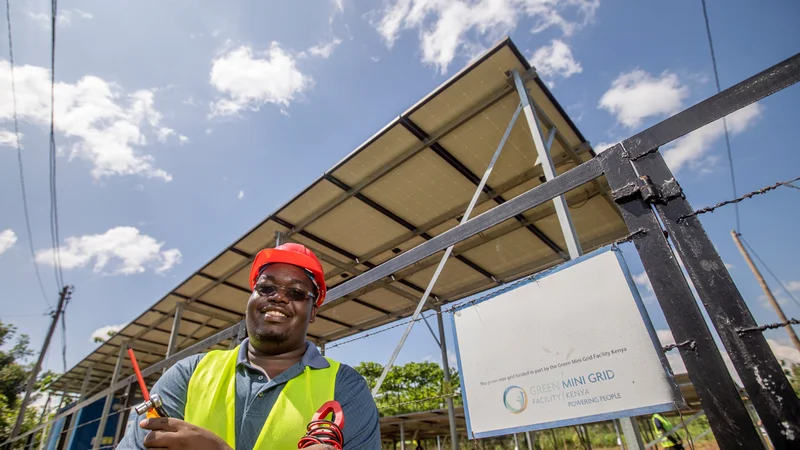
Extensive support SMEs
The acceleration of climate change demands urgent action from both governments and businesses. This gap has opened up a broad spectrum of support opportunities. Small and medium-sized enterprises (SMEs) should also be able to invest in renewable energy. Here is a snapshot of the wide range of funding opportunities available:
develoPPP
A global funding programme which has so far supported over 180 environment- and climate-related projects in 50 countries
Read more
International Climate Initiative (IKI)
Programme to protect biodiversity and ensure compliance with the Paris Agreement
Read moreProject Development Programme (PEP)
A multifaceted programme focusing on sub-Saharan Africa and Asia
Read more