Know-how from Mecklenburg-Western Pomerania
The mele Group plans, implements and manages projects in northern Germany and worldwide in the fields of building services, energy technology and plant engineering for renewable energies.
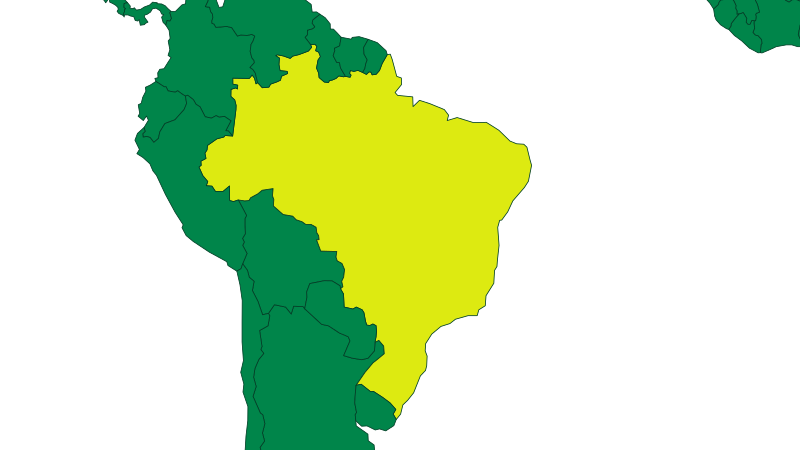
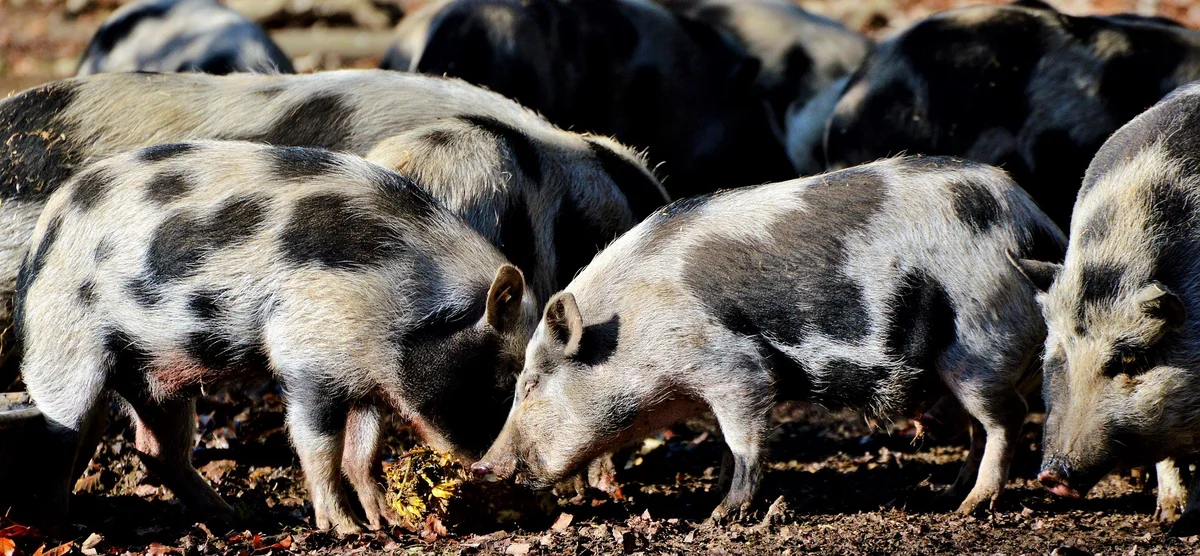
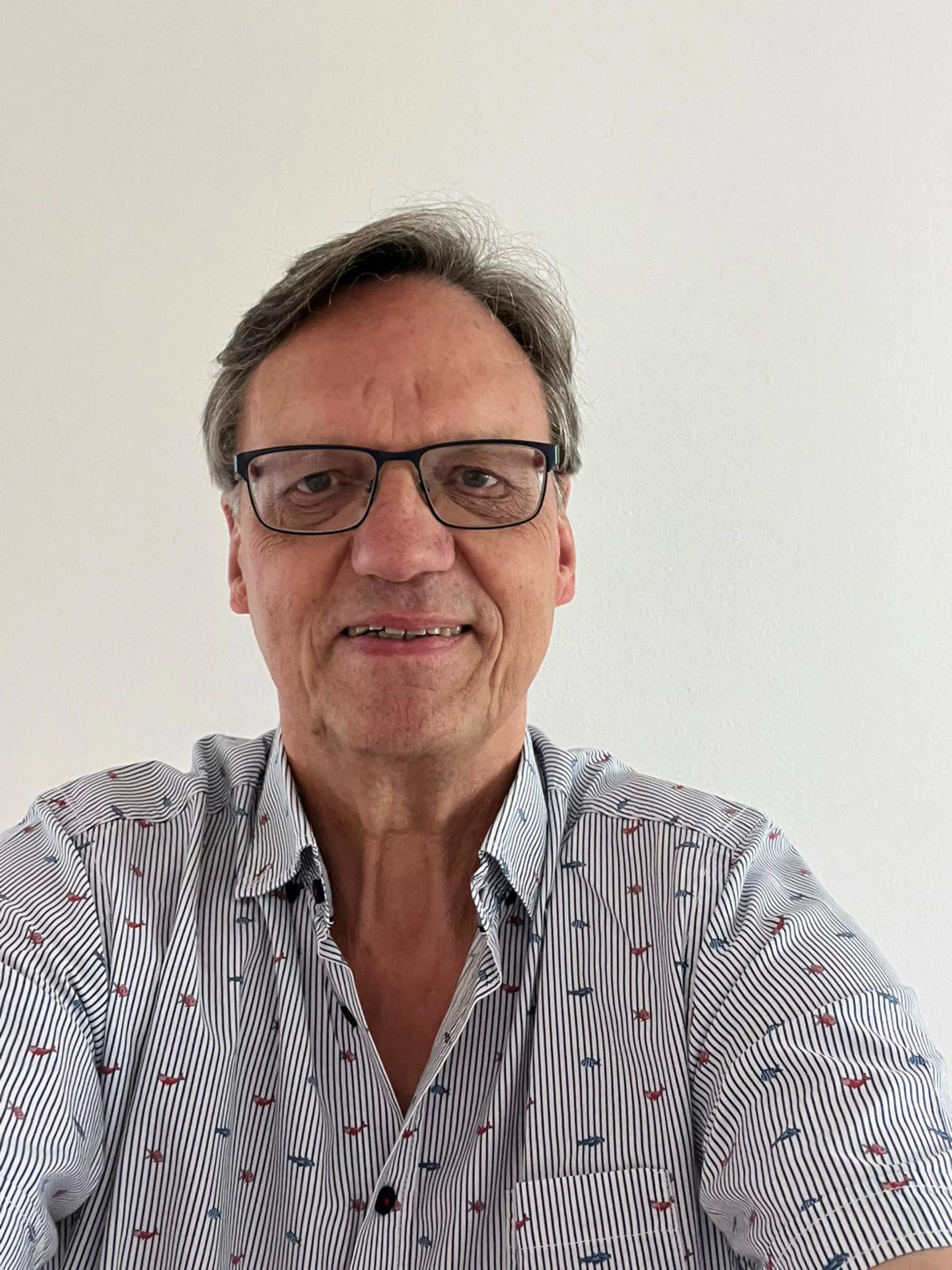
The company, which is based in Torgelow in Mecklenburg-Western Pomerania has also operated in Brazil since 2015. Up to 33 plants will be built there over the next few years under project manager Helmut Tündermann, to produce biogas from animal waste – particularly from pig farming. The aim is to tackle two challenges at once: the sustainable disposal of agricultural waste and the provision of green energy sources for climate-friendly industry and transport.
Where to put the manure?
In the state of Paraná, a global hub for meat production, enormous quantities of animal waste are generated every year. These materials have rarely been sustainably processed in the past. Instead, uncontrolled fermentation causes them to release greenhouse gases such as methane and nitrous oxide that are harmful to the climate, while nitrogen-rich slurry pollutes soil, rivers and groundwater.
The situation is becoming increasingly problematic for the agricultural sector in Brazil, particularly as new regulations require more sustainable waste disposal. This is where mele’s project comes in.
The mele Group plans to build up to 33 biogas plants in Paraná by 2033. These plants produce biogas from slurry, before generating biomethane and carbon in subsequent stages, both of which are used to produce hydrogen derivatives. These include, for example, biomethanol and synthetic aviation fuel (SAF), as well as biosyncrude. SAF is a product of the Fischer-Tropsch process. H₂ and CO₂ are produced through various process stages and are then converted into the hydrogen derivative SAF via Fischer-Tropsch synthesis. SAF can be exported by tanker to Europe, where it is blended with conventional kerosene.
Investors welcome
The first biogas plant is due to come on stream at the end of 2026. In this context, mele is working with over 5,000 local producers in 18 municipalities that supply their slurry. Liquid slurry is piped directly into the facilities, whilst solid matter is transported by lorry.
The government of Paraná actively supports the project. Farmers are legally obliged to dispose of their waste in a sustainable manner and see their partnership with mele as a promising solution.
The company relies on collaboration with partners from the energy, aviation and shipping sectors that use green, biogenic hydrogen and its derivatives, or provide investment.
- mele’s 33 biogas plants are expected to cut up to two million tonnes of CO₂ emissions each year.
- mele helps thousands of businesses to comply with environmental regulations.
- The import of green, biogenic hydrogen and its derivatives (such as biomethanol and synthetic kerosene) is helping to achieve ambitious German and European decarbonisation targets in the transport and industrial sectors.
- Construction of the plants was an important step for mele in establishing a scalable value chain for green, biogenic hydrogen and in strengthening its market position in the international energy sector.
The project showed the company just how important business partnerships and local political support are. ‘The new regulations introduced by the government in Paraná worked in our favour. Farmers are now required to adopt more sustainable production methods and must dispose of slurry properly. They are therefore very interested in our project,’ says Helmut Tündermann.
The project was technically challenging, as specialist components were hard to come by in Brazil and had to be sourced from European partners. Many of these partners already recognise the market opportunities, however, and are now establishing local production capacity.
mele Group
Entrepreneurial ideas, expertise and investment stem from mele’s business commitment.
Read more
Deutsche Gesellschaft für Internationale Zusammenarbeit (GIZ)
GIZ supported the project as part of the International Hydrogen Ramp-up Program (H2-Uppp) of the Federal Ministry for Economic Affairs and Energy.
Read more