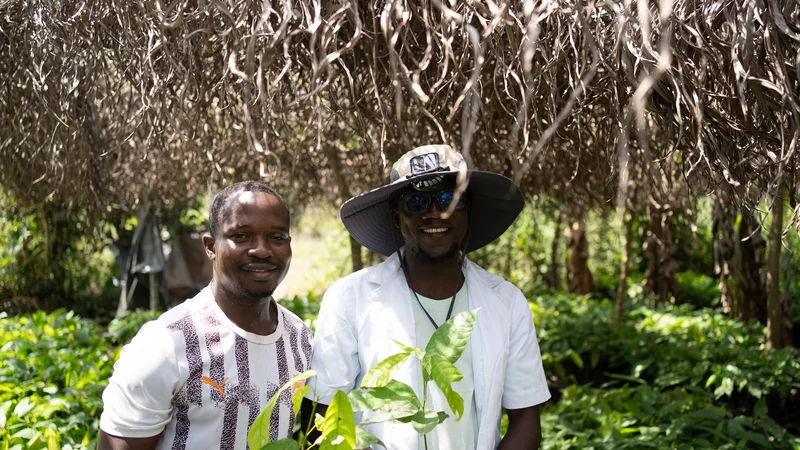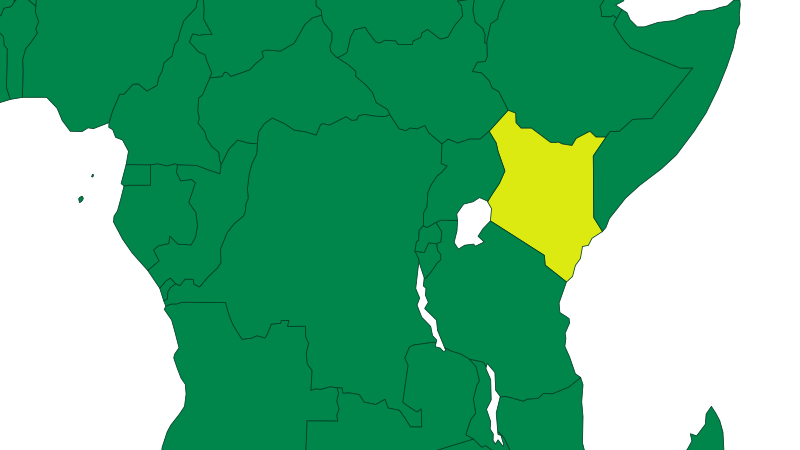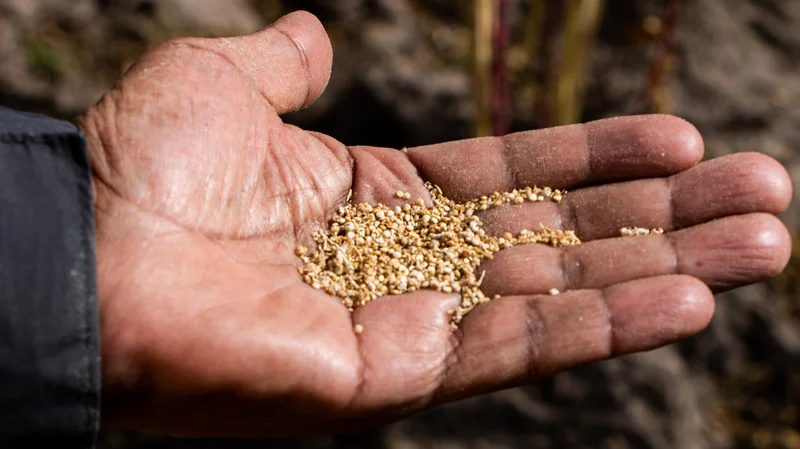


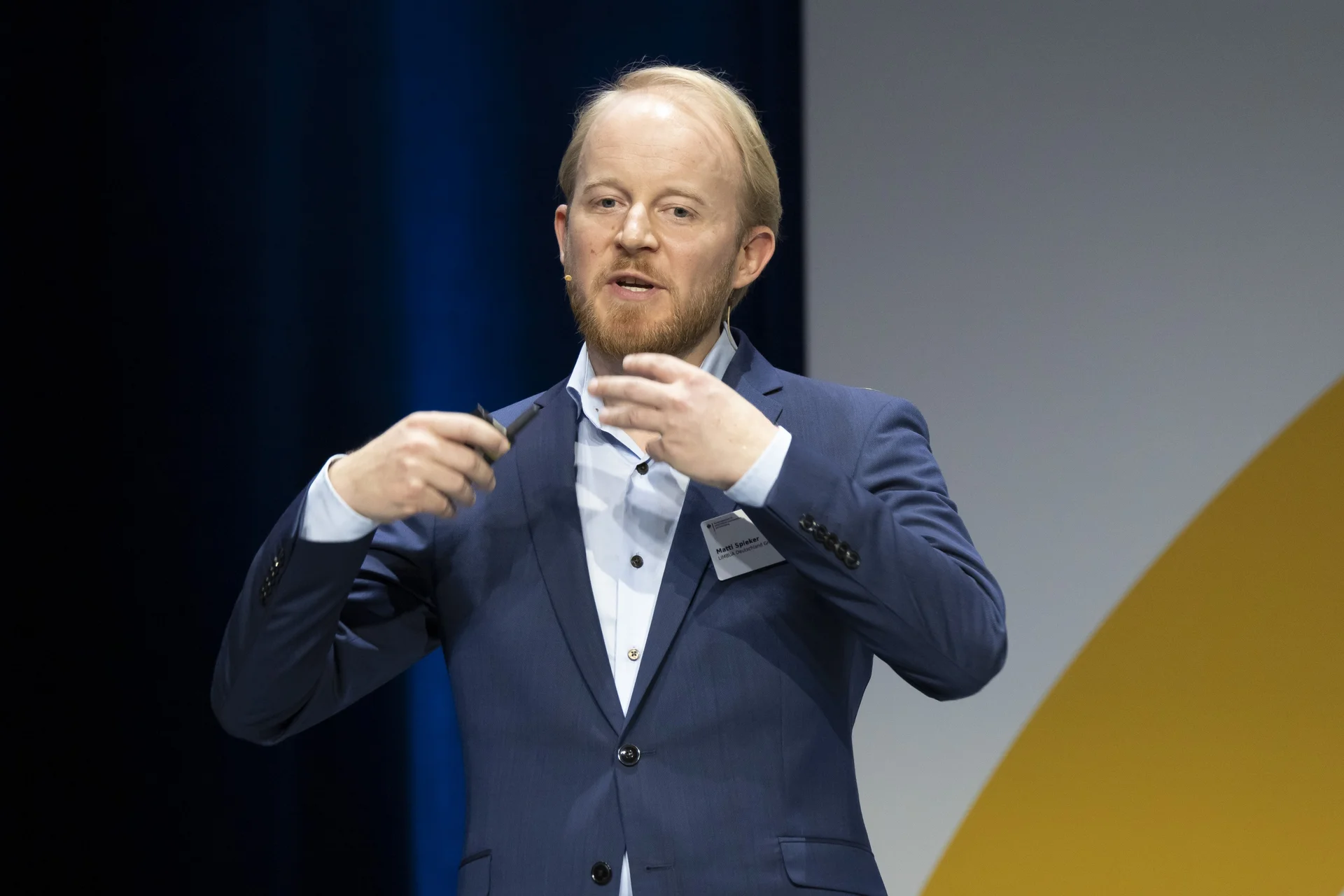
German entrepreneur Matti Spiecker founded LIMBUA with his Kenyan partner Peter Wangara in 2009. Their aim was to source organic macadamia nuts directly from smallholders and bring them to the global market, bypassing any middlemen. The focus was on retaining as much of the value as possible in Kenya. Today, over 9,000 certified organic smallholder families work with LIMBUA – a partnership that secures incomes and opens up fair trade opportunities.
Decarbonisation – the competitive edge
Like many European companies, LIMBUA faces the challenge of making its production and supply chains carbon neutral.
EU regulatory requirements and growing expectations from investors, customers and staff call for clear decarbonisation strategies. Climate protection is therefore becoming not just a moral obligation but also a crucial competitive factor.
Short supply chains, regional processing
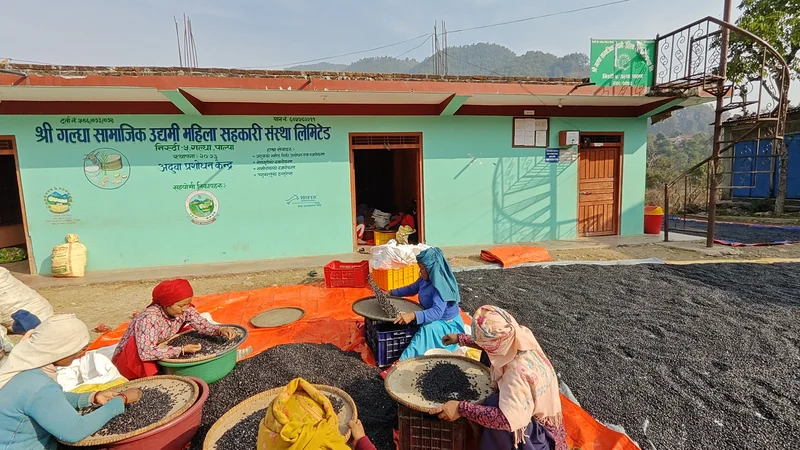
LIMBUA buys its macadamia nuts directly from smallholders. This eliminates the energy consumption – and emissions – that result from complex supply chains, through interim storage, transport and various stages of trade, for example. Processing is done locally, which means short transport routes and value creation within the region. And in an innovative twist, the 3,000 tonnes of macadamia shells produced yearly are recycled.
Saving energy with solar power
Limbua uses the nut shells as a sustainable source of energy to fuel the ovens and drying systems. The shells are used to generate electricity using a wood gasification combined heat and power (CHP) system.
The production facilities have also run on electricity from photovoltaic systems for many years, enabling LIMBUA to reduce its use of fossil fuels locally. This cuts carbon emissions directly within the production process. Produce is exported to Europe exclusively by sea, creating a circular model that avoids emissions and reduces costs.
- LIMBUA has significantly lowered its carbon footprint through its use of renewable energy and circular practices.
- The company created 200 new jobs in the region through investment in modern production facilities and now employs more than 900 staff locally.
- Local processing also generates greater added value within Kenya.
- The project supports smaller businesses, which facilitates fair pricing and stabilises markets.
- As a company, LIMBUA has become a pioneer in sustainable circular economy practices, enabling it to gain a stronger foothold in the African market.
- With its focus on sustainability, the company is able to appeal to an ever-growing target audience and also win over German customers.
- LIMBUA helps to further increase acceptance of fair trade products, including in Germany, and to open up the market.
Although implementation of the sustainability strategy took longer than originally anticipated, the many economic benefits and increased competitiveness (in addition to the social and environmental impacts) have significantly exceeded expectations. LIMBUA has demonstrated that sustainable measures are good for the coffers. Energy efficiency, smart transport strategies and climate protection measures do more than just reduce costs in the long term. They also enhance brand value and international reputation.


DEG – Deutsche Investitions- und Entwicklungsgesellschaft / ImpactConnect
ImpactConnect provides loans for investment projects that foster development in developing countries and emerging economies.
Read more
Agency for Business and Economic Development (AWE)
In 2019, AWE facilitated an initial consultation with Business Scouts following a recommendation from one of LIMBUA’s long-standing clients.
Read more