
A fresh start for climate action
The roof paints used in the Cool White project reflect a particularly high amount of sunlight, dissipating heat into outer space through what is known as the infrared atmospheric window. This significantly reduces the temperature inside buildings such as hospitals, schools and workplaces.
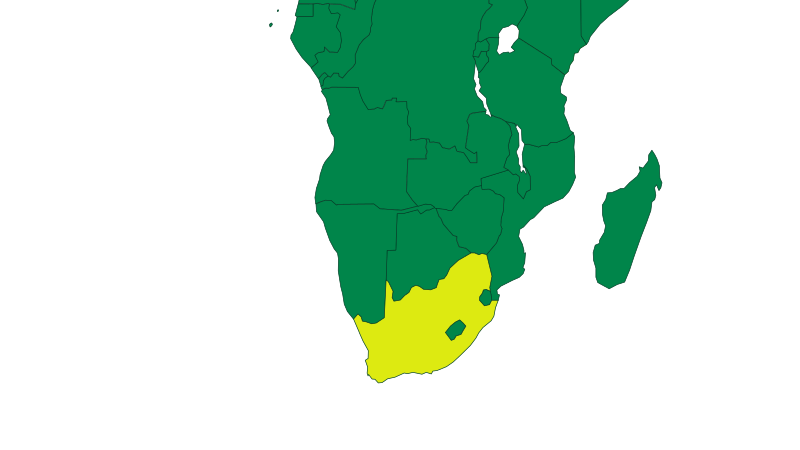
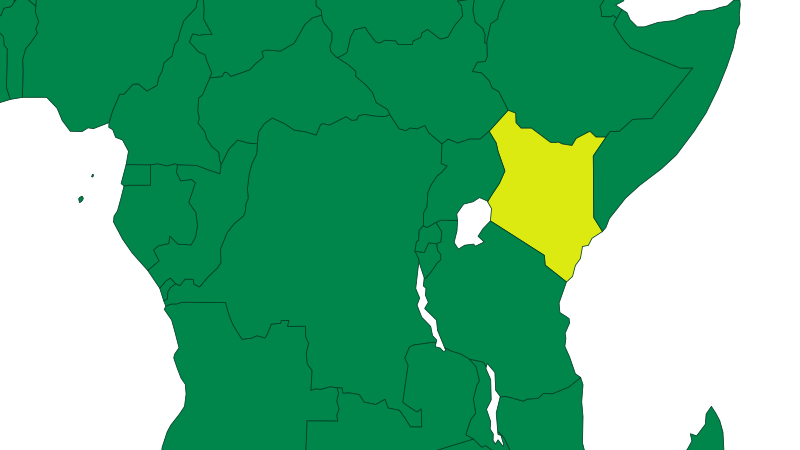
This efficient and cost-effective process saves on cooling energy and helps to mitigate both the causes and the effects of climate change. Projects in Kenya, Tanzania, Rwanda and South Africa are already using the Cool White approach.
Taming the sweltering heat in a climate-friendly way
In cities such as Dar es Salaam in Tanzania, rooftop temperatures often hit over 60 degrees Celsius by midday. Heat builds up indoors too, impacting on health, productivity and education.
Although air conditioning makes life more comfortable, it accounts for 10% of global greenhouse gas emissions. What’s more, waste heat from air-conditioning units causes the streets to heat up even further.
Studies show that high temperatures in the years ahead may result in reduced labour productivity of up to 20%. Efforts to improve education also suffer when difficult learning conditions lead to more pupils leaving school early.
Generating greater value in the domestic economy
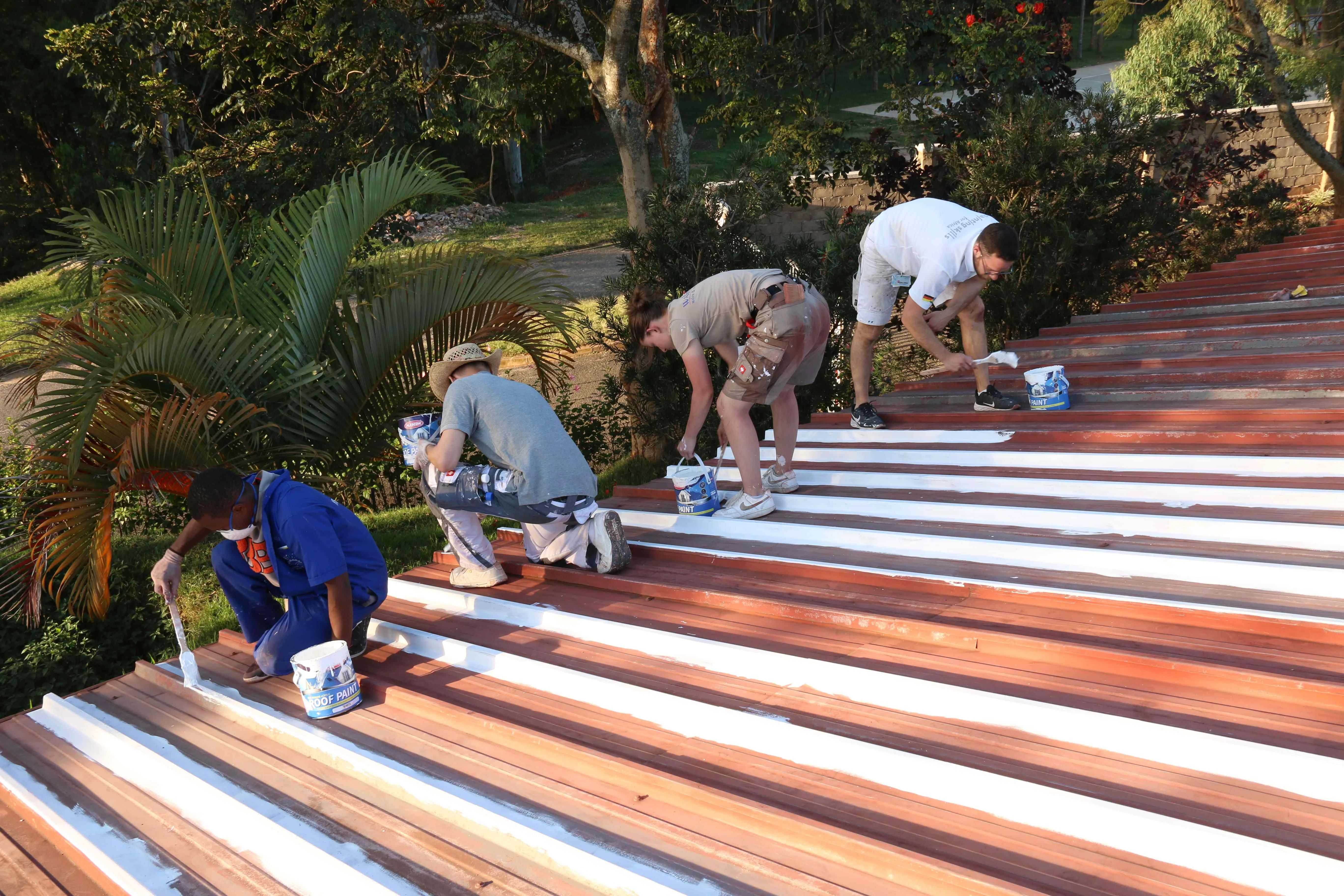
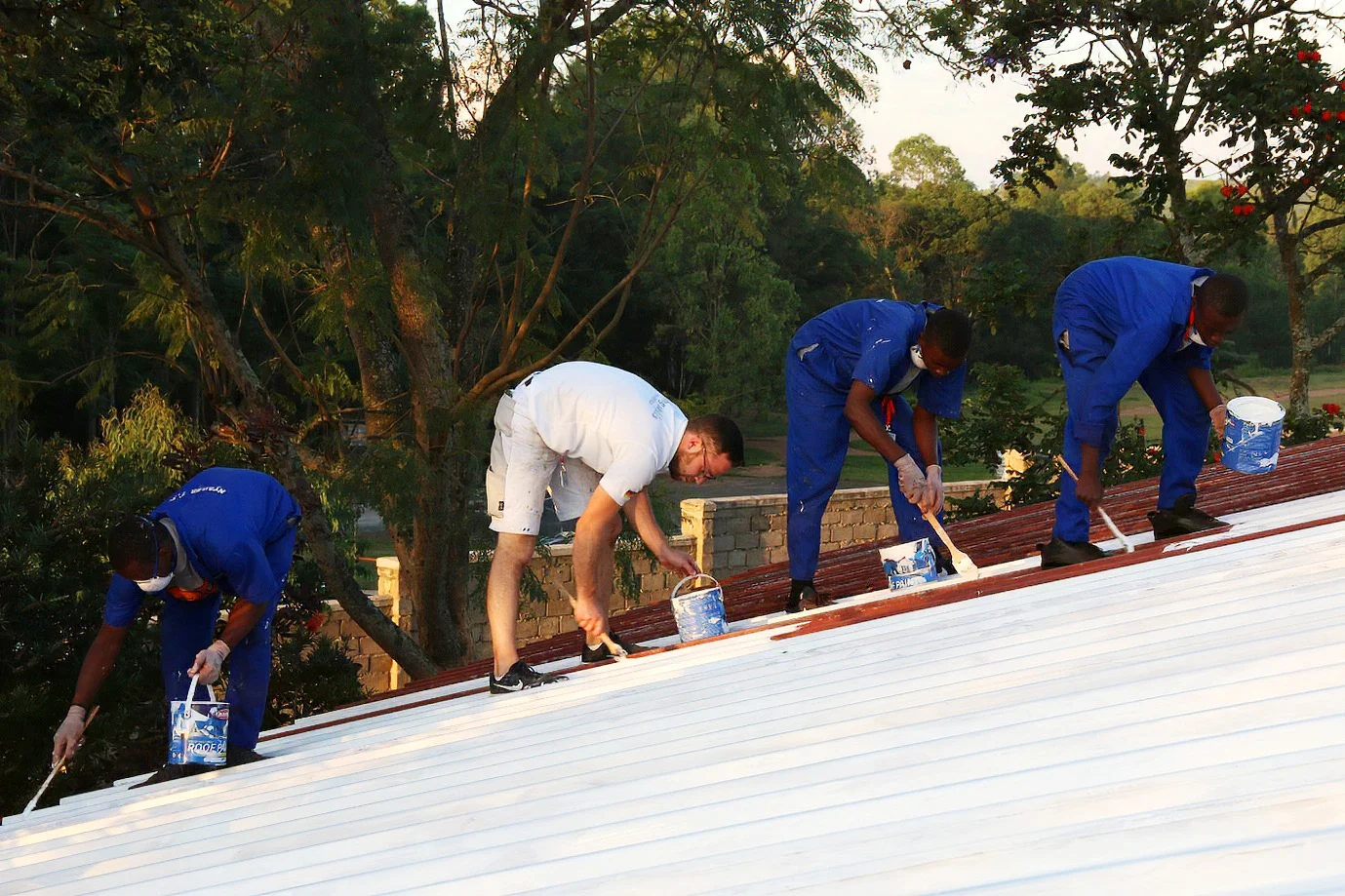
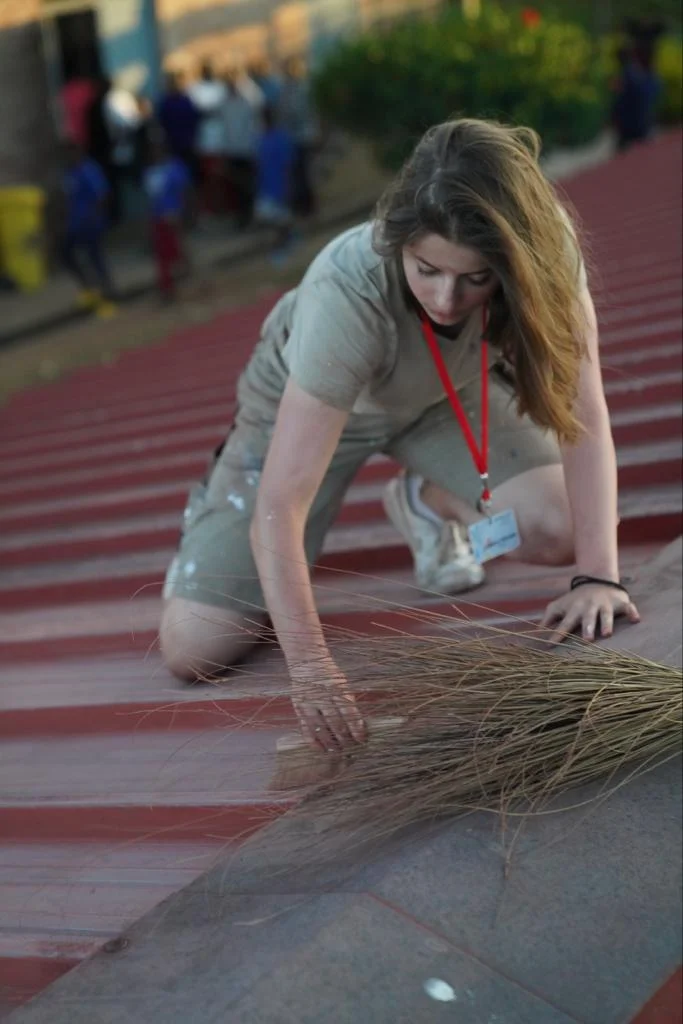
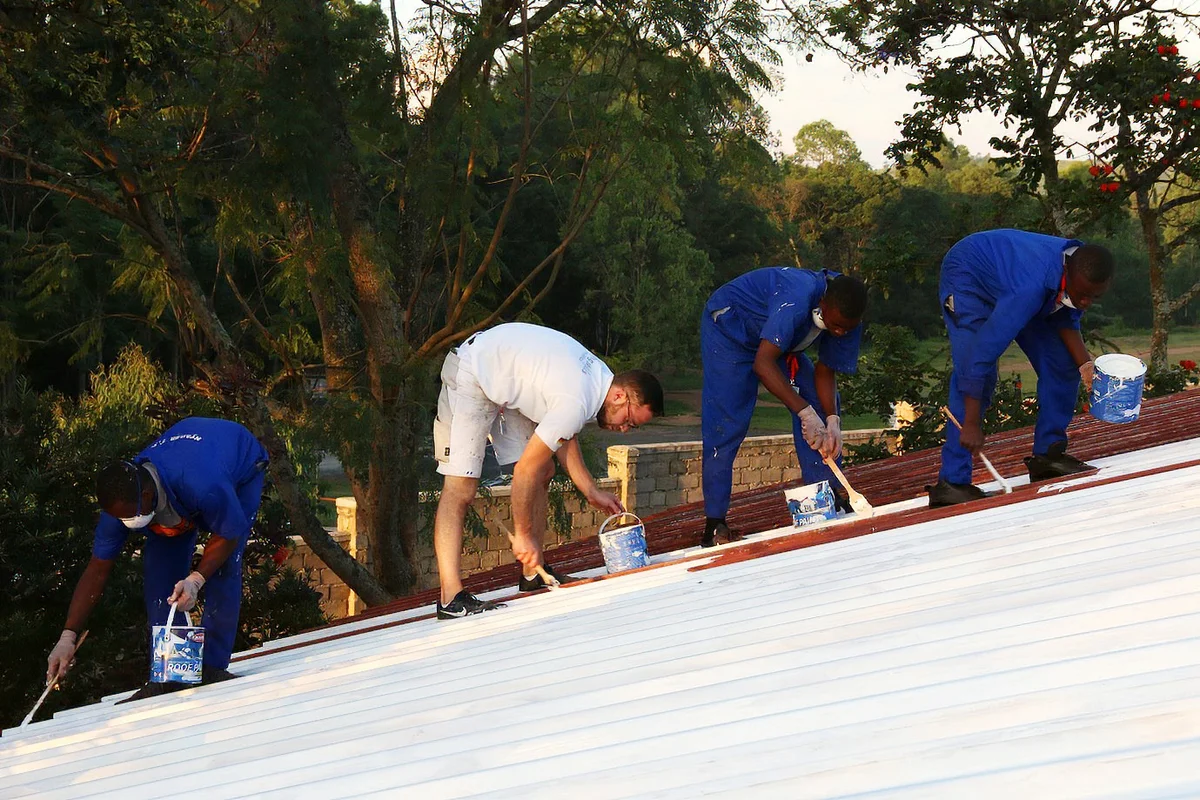
In a pilot project launched at a Dar es Salaam hospital in November 2024, locally trained painters painted the rooftop white under the direction of German master craftsman Heiko Herzog. Use of locally available materials creates value within the local community. The South African company Splash was so impressed by the approach it now produces its own white roof paint. The initiative is supported by Germany’s National Metrology Institute (PTB), which has scientifically verified its effectiveness, thereby building trust and enabling scalability.
- In Rwanda, the temperature under a factory roof fell by an average of 9.2 degrees Celsius, and by 2.3 degrees Celsius inside the building itself.
- The innovative coating actually reduced the surface temperature of the Dar es Salaam hospital roof by almost 20 degrees Celsius.
- Studies suggest that photovoltaic systems operate more efficiently when installed on cooler, white roofs, and are directly contributing to a more cost-effective energy transition in Germany.
- Cool White demonstrates how buildings can be cooled without using additional energy. This solution is also effective in combating heat stress in German cities.
- The white paint reduces the surface temperature of roofs that were previously black, red, blue or green by about half: from 60 to 70 degrees Celsius to under 30. This causes the temperatures inside the buildings to drop too.
- This means that air conditioning is often unnecessary. For an area of 100 m2, this can save as much as USD 100 a month in electricity. Applying the paint costs around EUR 450 per 100 m2, so the investment pays for itself within four to five months.
- Passive radiative cooling is cost-effective and requires minimal resources. Even low-income workers can benefit from the technology.
- The locally sourced white paint is designed to reflect 90 to 94 per cent of the light. The coated roofs reflect up to 30 per cent of solar radiation into outer space through the atmospheric window, reducing global warming.
- Lower temperatures can improve the quality and length of sleep. Heat-induced health problems can therefore also be reduced as a result.

The Federation of German Wholesale, Foreign Trade and Services (BGA)
The BGA’s main contribution involved strategic advice.
Read more
National Metrology Institute (PTB)
Germany’s PTB provided the necessary scientific expertise through temperature and humidity data, for example.
Read more
Deutsche Gesellschaft für Internationale Zusammenarbeit (GIZ)
GIZ supported the implementation of pilot projects in partner countries.
Read more
Agency for Business and Economic Development (AWE)
AWE provided support by involving local stakeholders and coordinating the interdisciplinary team made up of business representatives, skilled tradespersons, industry experts and academics.
Read moreInterested? We can advise you on the passive radiative cooling effect of white roofs.